Invertebrate biologists specialize in studying animals without backbones—including insects, mollusks, crustaceans, and arachnids—examining their behavior, genetics, and ecological roles. These specialists fall under the broader Bureau of Labor Statistics category "Zoologists and Wildlife Biologists," which reported a median salary of $67,430 as of May 2023. The field is projected to grow 5% through 2033, with career paths spanning government agencies, research institutions, consulting firms, and conservation organizations.
If you're drawn to the incredible diversity of life on Earth, you've probably noticed that the most abundant creatures don't have spinal columns. We're talking about the butterflies, bees, coral, jellyfish, and millions of other invertebrate species that make up over 95% of all animal life. As an invertebrate biologist—a specialization within zoology and wildlife biology—you'd dedicate your career to understanding these fascinating organisms and their critical roles in ecosystems worldwide.
This career combines fieldwork adventure with laboratory precision. You might find yourself collecting samples from coral reefs one month and analyzing genetic data in a climate-controlled lab the next. It's demanding work that requires scientific rigor, physical stamina, and genuine curiosity about the natural world. Let's explore what this career path actually looks like, from education requirements to day-to-day responsibilities.
What Does an Invertebrate Biologist Do?
Core Responsibilities
Invertebrate biologists study species across an enormous spectrum—from microscopic zooplankton to giant Pacific octopuses. Your work typically focuses on understanding how these animals function, reproduce, and interact within their ecosystems. This includes examining their genetic structures, tracking population dynamics, and assessing how environmental changes affect their survival.
Much of the work involves careful observation and data collection. You'll document behaviors, collect tissue samples for analysis, and monitor populations using field methods ranging from traditional surveys to emerging technologies. While GPS tracking and remote sensing play growing roles in some wildlife research, invertebrate biologists more commonly rely on direct observation, trap sampling, and laboratory analysis. You'll definitely need solid technical skills—particularly in GIS mapping and database management—to organize and analyze your findings, though these become more critical as you advance in your career.
Research Focus Areas
Your research might concentrate on several key areas. Population monitoring helps wildlife agencies understand whether species are thriving or declining. Conservation planning uses your expertise to protect threatened invertebrate populations and their habitats. Some biologists focus on the agricultural impacts of invertebrates—both beneficial pollinators and pest species that affect crop yields.
Medical research represents another growing area. Scientists studying invertebrate genetics have contributed to major breakthroughs in human medicine, from understanding disease transmission by mosquitoes to developing new pharmaceuticals from marine invertebrates. You might also work on environmental impact assessments, evaluating how development projects will affect local invertebrate communities.
A Day in the Life
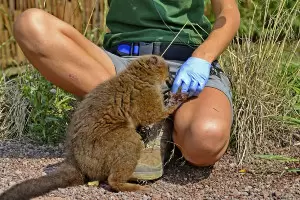
A typical day varies dramatically based on your role and the season. Field biologists might start before dawn, setting traps or nets to collect specimens during peak activity hours. You'll spend hours documenting observations, photographing specimens, and recording environmental conditions. Physical demands can be significant—you might hike steep terrain, work in extreme temperatures, or spend long hours in uncomfortable positions observing animal behavior.
Laboratory-based biologists follow a different rhythm. Your day might involve preparing slides for microscopic examination, running genetic analyses, maintaining specimen collections, or compiling data into reports. You'll use specialized equipment to study everything from cellular structures to chemical compositions. Regardless of setting, expect to spend considerable time writing—documenting findings, preparing grant proposals, and contributing to scientific publications.
Where Do Invertebrate Biologists Work?
Field vs. Laboratory Balance
Most invertebrate biologists split their time between field and lab environments, though the ratio depends on their specific position. Field researchers might spend 60-70% of their time outdoors during active seasons, traveling to study sites ranging from tropical rainforests to Arctic tundra. This work requires comfort with variable conditions—you'll work in rain, heat, and cold, often in remote locations with basic facilities.
Lab-focused positions reverse this balance. You'll work in controlled environments analyzing samples, maintaining equipment, and processing data collected by field teams. Many positions blend both aspects, allowing you to experience the full research cycle from initial collection through final analysis and reporting.
Employment Sectors
According to Bureau of Labor Statistics data for zoologists and wildlife biologists, employment is distributed across several key sectors:
State Government (approximately one-third of positions): You'd typically work in environmental monitoring, wildlife management, and conservation planning roles for state parks, environmental quality departments, or natural resource agencies. These positions often involve providing expert guidance on invertebrate-related policy decisions and managing state conservation programs.
Federal Government (roughly 20% of positions): Agencies like the U.S. Fish and Wildlife Service, National Park Service, and Environmental Protection Agency offer positions focused on larger-scale conservation projects, regulatory compliance, and research funding opportunities. Federal positions generally provide the highest compensation and most comprehensive benefits packages.
Technical Consulting Services (about 10% of positions): Private firms conduct independent environmental assessments for developers, helping them understand and mitigate impacts on invertebrate populations. You'll conduct surveys, prepare impact reports, and recommend conservation measures for clients ranging from construction companies to government agencies.
Educational Institutions and Research (approximately 7% of positions): Academic positions combine teaching responsibilities with independent research, while museum and zoo positions might focus on specimen curation, public education, and captive breeding programs. Pharmaceutical and agricultural companies also hire invertebrate specialists for product development and pest management research.
Invertebrate Biologist Salary
As of May 2023, invertebrate biologists—classified by the Bureau of Labor Statistics as zoologists and wildlife biologists—earned a median annual salary of $67,430. Your earning potential varies significantly based on experience, specialization, and employer type.
| Career Stage | Annual Salary Range | Typical Role |
|---|---|---|
| Entry-Level (10th-25th percentile) | $42,650 - $52,530 | Field technician, research assistant, lab technician |
| Mid-Career (Median to 75th percentile) | $67,430 - $82,320 | Project biologist, program coordinator, senior researcher |
| Senior-Level (90th percentile+) | $106,320+ | Program director, principal investigator, department head |
Federal government positions typically offer the highest compensation, with median salaries around $81,530 annually (BLS, May 2023), plus comprehensive benefits packages. Geographic location also affects earnings—positions in coastal states with extensive marine research facilities or in areas with high costs of living generally pay more than inland or rural positions.
Job Outlook and Career Demand
The employment outlook for zoologists and wildlife biologists shows steady growth through 2033, with the Bureau of Labor Statistics projecting approximately 5% expansion over the decade (2023-2033 projections). This growth translates to roughly 400 annual job openings nationally when accounting for both new positions created by growth and replacement needs as current biologists retire or change careers.
Several factors drive this demand. Climate change research increasingly focuses on invertebrates as indicator species for ecosystem health. As temperatures shift, scientists need to understand how insect populations, coral reefs, and other invertebrate communities adapt or decline. Conservation efforts for threatened and endangered invertebrate species also require specialized expertise.
However, it's important to be realistic about this career path. The field can be particularly competitive for permanent academic positions and specialized research roles with government agencies. Most positions require advanced degrees, and funding—especially for university-based research—faces periodic constraints tied to government budgets and grant cycles. Your employment prospects improve significantly with fieldwork experience, specialized skills in emerging methodologies like environmental DNA analysis, and a willingness to work in diverse geographic locations. Entry-level technician and field assistant positions tend to be more readily available than senior research positions.
Education Requirements for Invertebrate Biologists
Bachelor's Degree Path
Entry into invertebrate biology typically starts with a Bachelor of Science in Biology, Zoology, or a related life sciences field. Your undergraduate curriculum should include foundational courses in general biology, chemistry, physics, and mathematics—particularly statistics, which you'll use extensively in research analysis.
To position yourself for invertebrate work specifically, focus your electives strategically:
- Entomology (insect biology) - Essential if you're interested in the most diverse invertebrate group
- Marine Biology - Critical for studying ocean invertebrates like coral, mollusks, and crustaceans
- Ecology - Provides ecosystem context for understanding species interactions
- Genetics and Molecular Biology - Increasingly important as research becomes more genetics-focused
- Animal Behavior - Helps interpret invertebrate behaviors and social structures
- Statistics and Data Analysis - Non-negotiable for research career success
If your institution offers specialized courses like invertebrate zoology, parasitology, or aquatic invertebrates, these provide valuable, focused knowledge. A bachelor's degree qualifies you for entry-level positions as field technicians, laboratory assistants, or research aides supporting senior biologists.
Master's Degree Opportunities
A Master of Science opens significantly more career doors. You'll develop expertise in specific invertebrate groups or research methodologies, positioning yourself for project management roles and increased independence in your work. Most master's programs require 2-3 years and include both coursework and original thesis research.
This degree level typically leads to positions as project biologists, where you'll design studies, manage field crews, analyze complex datasets, and contribute to policy recommendations. State and federal agencies often require master's degrees for positions with supervisory responsibilities or specialized research focuses. The master's is considered the "sweet spot" for many invertebrate biology careers—providing advanced expertise without the years required for doctoral studies.
Doctoral Programs
PhD programs in invertebrate biology prepare you for academic research careers, university teaching positions, and senior leadership roles in government or major research institutions. Doctoral studies typically require 4-6 years beyond your master's degree, focusing on original research that advances the field's knowledge.
With a doctorate, you can run your own research laboratory, compete for major grant funding, mentor graduate students, and shape conservation policy at national and international levels. It's the standard credential for tenure-track faculty positions and for directing major research programs at institutions like the Smithsonian or national laboratories.
Gaining Practical Experience
Regardless of degree level, practical experience dramatically improves your employability. Seek summer internships with government agencies, non-profit conservation organizations, or university research groups. Many programs offer academic credit for field experience, helping you build skills while progressing toward your degree.
Volunteer opportunities abound in this field. Local nature centers, museums with natural history collections, and ecological research stations often welcome volunteers to assist with specimen processing, educational programs, and ongoing monitoring projects. This experience not only strengthens your resume but also helps you determine which aspects of invertebrate biology genuinely appeal to you before committing to graduate school.
Essential Skills for Success
Success as an invertebrate biologist requires a blend of scientific, technical, and interpersonal abilities:
- Species Identification: You'll need to accurately identify hundreds or thousands of invertebrate species, often in the field under challenging conditions. This skill develops through dedicated study and extensive field experience with taxonomic keys and reference collections.
- Data Analysis: Statistical software proficiency (R, SAS, or similar platforms) is non-negotiable. You'll spend significant time analyzing population trends, running ecological models, and interpreting complex datasets to draw meaningful conclusions.
- Technical Writing: Clear, precise scientific writing is essential for research papers, grant proposals, environmental impact reports, and policy recommendations. Your findings matter only if you can communicate them effectively to both scientific and public audiences.
- Physical Stamina: Fieldwork demands good physical condition for hiking remote terrain, carrying equipment, working in extreme weather, and maintaining focus during long observation periods. Be prepared for physically demanding days.
- Collaboration: Most projects involve teams of researchers, land managers, and policy makers. You'll need to work effectively with diverse groups and communicate scientific concepts to non-specialist audiences, from landowners to legislators.
- Adaptability: Field conditions rarely match plans. Equipment fails, weather changes, and animals don't cooperate with research schedules. Success requires creative problem-solving and the flexibility to adjust methodologies on the fly.
Career Pathways and Specializations
Specialization Options
Within invertebrate biology, you can specialize in particular taxonomic groups or research approaches. Entomologists focus exclusively on insects, the most diverse invertebrate group. Marine invertebrate biologists study ocean-dwelling species like coral, mollusks, and crustaceans. Some specialists concentrate on specific habitats or ecological relationships, such as soil invertebrates or pollinator-plant interactions.
Applied specializations connect invertebrate biology to specific problems. Pest management specialists work in agriculture, developing environmentally responsible ways to control harmful insects while protecting beneficial species. Medical entomologists study disease-carrying invertebrates like mosquitoes and ticks, contributing to public health initiatives. Conservation biologists focus on protecting threatened invertebrate species and their habitats.
Career Advancement
Career progression typically moves from technical roles toward increasing responsibility and independence. Entry-level technicians advance to project biologists after 3-5 years and demonstrate competence in field methods and data analysis. With 8-12 years of experience and typically a master's degree, you might move into program coordination or management roles, overseeing multiple projects and supervising junior staff.
Senior positions—requiring 15+ years of experience and often a doctorate—include program directors, chief scientists, or department heads. At this level, you'll shape research agendas, manage budgets, represent your organization in policy discussions, and mentor the next generation of invertebrate biologists. These positions involve less direct field and lab work but greater strategic influence on conservation priorities.
Related Careers to Consider
If you're exploring invertebrate biology, you might also consider these related paths:
Wildlife Biologist: Similar work focusing on vertebrate animals (mammals, birds, reptiles, amphibians, fish) rather than invertebrates. The educational requirements and research methodologies overlap significantly, though the specific organisms and some field techniques differ.
Aquatic Biologist: Studies all organisms in freshwater and marine environments, including both invertebrates and vertebrates. This broader focus suits those interested in entire aquatic ecosystems rather than specific taxonomic groups.
Wildlife Manager: Applies biological knowledge to practical conservation challenges, balancing wildlife populations with human land use needs. More focused on policy implementation and stakeholder communication than pure research, with greater emphasis on management rather than discovery.
Environmental Consultant: Works with developers and government agencies to assess and mitigate environmental impacts. Less research-focused than academic positions, with more client interaction, project diversity, and applied problem-solving in regulatory contexts.
Professional Organizations and Resources
Joining professional societies provides networking opportunities, access to research publications, career development resources, and connections with mentors in the field:
Xerces Society for Invertebrate Conservation: This international organization focuses specifically on invertebrate conservation, offering educational programs, research collaborations, and policy advocacy opportunities. Membership connects you with specialists across diverse invertebrate groups and conservation strategies. Benefits include quarterly newsletters, access to technical reports, and opportunities to participate in citizen science initiatives.
International Society of Invertebrate Reproduction and Development: Founded in 1975, this society specializes in reproductive biology research across invertebrate taxa. Members receive access to the society's academic journal and opportunities to present research at international symposia. Particularly valuable for graduate students conducting thesis research on invertebrate life cycles.
Entomological Society of America: The largest organization for insect science in North America, offering extensive resources for students and professionals focusing on entomology. Benefits include multiple peer-reviewed journals, career listings specifically for entomology positions, and annual meetings bringing together thousands of researchers. Student memberships provide significant discounts.
Society for Integrative and Comparative Biology: A broader organization covering all animal biology, including invertebrate specializations. Membership provides access to interdisciplinary research networks and comparative perspectives on zoological questions, helping you understand invertebrates in the context of all animal life.
Marine Biological Laboratory (Woods Hole): While not a membership organization, this institution offers summer courses and research opportunities specifically focused on marine invertebrates. Many invertebrate biologists build crucial connections and skills through Woods Hole programs early in their careers.
Frequently Asked Questions
Do I need a PhD to work as an invertebrate biologist?
No, many invertebrate biologists work successfully with bachelor's or master's degrees. A PhD is primarily necessary for academic research positions, university teaching, or directing major research programs. Most field and laboratory positions, including many government roles, require only a bachelor's or master's degree combined with relevant experience. The master's degree is often considered the most practical terminal degree for non-academic invertebrate biology careers.
What's the difference between an invertebrate biologist and an entomologist?
Entomology is actually a specialization within invertebrate biology that focuses exclusively on insects. Invertebrate biologists study all animals without backbones—including insects, but also mollusks, crustaceans, arachnids, worms, and many other groups. Think of entomology as a narrower focus within the broader field of invertebrate biology. Many university programs offer entomology as a distinct degree because insects represent such a large and economically important group.
Can I specialize in marine invertebrates with a general biology degree?
Yes, though you'll want to supplement your general biology education with marine-specific coursework and experience. Many biologists develop marine specializations during graduate school after completing general biology undergraduate degrees. Seek internships at coastal research stations, take marine biology electives when available, and consider graduate programs near marine research facilities. Some universities offer marine invertebrate courses as summer intensives at field stations.
How much time do invertebrate biologists spend in the field versus in a lab?
This varies dramatically by position and season. Some roles involve 70% fieldwork during active seasons (typically spring through fall), while lab-based positions might reverse that ratio. Many government monitoring positions involve intensive field seasons followed by winter months focused on data analysis and reporting. Academic positions often allow you to design projects balancing your preferred mix of field and lab work, though this flexibility usually comes only after establishing yourself in the field.
Is invertebrate biology a competitive field?
Competition varies by position type and geographic area. Academic positions and permanent federal research roles tend to be particularly competitive, often attracting dozens of qualified applicants for each opening. However, opportunities exist for well-prepared candidates who gain field experience, develop technical skills, and remain geographically flexible. Seasonal and technician positions are generally more accessible, providing valuable experience that strengthens applications for permanent roles. Building a strong network through internships, graduate programs, and professional organizations significantly improves your prospects for advancement.
Key Takeaways
- Specialized Career Within Zoology: Invertebrate biologists focus on the 95% of animal species without backbones, working within the broader BLS category of zoologists and wildlife biologists. Career paths span conservation, agriculture, medical research, and environmental consulting.
- Competitive Compensation with Growth Potential: The median salary of $67,430 annually (May 2023 BLS data) rises to $81,530+ in federal positions, with senior-level biologists earning over $106,320 as they advance into leadership and specialized research roles.
- Steady Job Growth in Expanding Field: Employment for zoologists and wildlife biologists is projected to grow 5% through 2033 (BLS 2023-2033 projections), creating approximately 400 annual job openings driven by climate change research, conservation initiatives, and environmental impact assessment needs.
- Clear Educational Pathways: Entry-level positions require bachelor's degrees in biology or zoology, while most independent research roles and management positions require master's degrees. PhDs open academic positions and senior research leadership opportunities at major institutions.
- Experience Is The Differentiator: Success in this field—especially for competitive permanent positions—depends heavily on gaining hands-on experience through internships, volunteer work, and field courses during your education, combined with technical skills in data analysis, GIS technology, and taxonomic identification.
Ready to explore degree programs in invertebrate biology and related fields? Discover accredited programs that align with your interests in wildlife, ecology, and conservation biology.
2023 US Bureau of Labor Statistics salary and job growth figures for zoologists and wildlife biologists reflect national data, not school-specific information. Conditions in your area may vary. Data accessed January 2026.