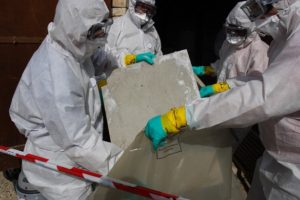


Radiation protection technicians monitor and control radiation exposure to keep levels as low as reasonably possible. According to the Bureau of Labor Statistics, environmental science and protection technicians (the category that includes radiation protection roles) earn a median annual salary of $49,490 as of May 2024. Most positions require an associate degree and OSHA 40-Hour HAZWOPER certification. The technician field is projected to grow 4% through 2034, creating approximately 5,600 job openings annually.
If you're drawn to careers that blend science, safety, and environmental protection, radiation protection might be your path. These specialists work behind the scenes at nuclear facilities, construction sites, and environmental cleanup projects—ensuring that workers and communities stay safe from radiation exposure. It's technical work that requires attention to detail, but it's also deeply practical: you're solving real problems that directly protect people's health.
What Does a Radiation Protection Technician Do?
Radiation protection technicians use specialized instruments to measure radiation levels in workplaces and surrounding areas. When they detect elevated readings, they design containment strategies, update safety protocols, and train personnel on proper procedures. You'll find them conducting air quality tests, analyzing soil samples, and monitoring water supplies near potential radiation sources.
Core Responsibilities
These professionals work at nuclear power plants, environmental remediation sites, medical facilities, and even monitor natural radiation sources. Some geological formations have higher levels of natural radiation—granite, for example, contains elevated concentrations of uranium particles. Without monitoring and control, this can increase the risks of illnesses associated with radiation exposure.
They're not generally responsible for decontamination and cleanup, but they often work alongside decontamination technicians at accident sites, offering advice on mitigating effects and providing risk reduction information to workers and nearby residents. They may also compile data and develop potential solutions for ongoing monitoring challenges.
Safety Philosophy: ALARP
Radiation protection work centers on the principle of ALARP—As Low As Reasonably Possible. This approach recognizes that some radiation exposure is unavoidable (radiation exists naturally in our environment), but the goal is to keep any occupational exposure well below established safety limits. Rather than aiming for zero exposure (which isn't realistic), radiation protection technicians focus on maintaining exposure at the lowest practical level through proper procedures, equipment, and monitoring.
Understanding radiation's half-life—the time it takes for radioactivity to reduce by half—is essential to this work. Since radiation never completely disappears, technicians focus on distinguishing between safe background levels and potentially dangerous exposure levels.
Where Does a Radiation Protection Technician Work?
Radiation protection technicians find employment across several main sectors, each offering distinct work environments and responsibilities.
Environmental Consulting and Remediation
Many radiation protection technicians work for private environmental consulting firms that provide radiation monitoring or advisory services. Organizations hire these professionals on contract to advise on radiation protection strategies or to join cleanup teams at contaminated sites. The technician may or may not participate directly in cleanup activities, but they monitor for potential problems and compile recommendations in detailed reports. This sector offers variety, as you might work on different projects ranging from soil remediation to facility decommissioning.
Nuclear Facilities and Energy Sector
Nuclear power plants, research reactors, and fuel processing facilities employ radiation protection technicians to monitor worker exposure and facility conditions. These positions typically offer stable employment with structured career advancement paths. You'll conduct routine radiation surveys, maintain monitoring equipment, and ensure compliance with Nuclear Regulatory Commission requirements. Some technicians work in construction contexts, monitoring the building or decommissioning of nuclear facilities and ensuring construction teams follow proper safety protocols.
Government Agencies and Laboratories
Federal, state, and local government agencies employ radiation protection technicians in various capacities. You might work at national laboratories, military facilities, or regulatory agencies. These positions often involve policy development and regulatory compliance work alongside environmental health and safety technicians. Government roles may also include monitoring and advising communities in areas with elevated natural radiation levels from geological sources.
Medical and Research Facilities
Hospitals, cancer treatment centers, and research universities need radiation protection technicians to ensure safe operation of diagnostic imaging equipment, radiation therapy units, and research involving radioactive materials. These settings offer regular daytime schedules compared to the shift work sometimes required at nuclear power plants.
Radiation Protection Technician Salary & Compensation
National Salary Data (2024)
The Bureau of Labor Statistics groups radiation protection technicians under Environmental Science and Protection Technicians (SOC 19-4042), since BLS doesn't publish a distinct category specifically for radiation protection roles. According to May 2024 BLS data for this broader occupational group, the median annual salary is $49,490.
However, because radiation protection is a specialized subset within this category, actual salaries can vary. Industry salary aggregators like Glassdoor and Salary.com suggest radiation protection technician positions typically range from $50,000 to $80,000 annually, depending on experience, location, and employer type. These non-BLS estimates reflect the specialized nature of radiation safety work compared to general environmental technician roles.
Factors Affecting Earnings
Several factors influence earning potential in radiation protection. Nuclear power facilities and government agencies typically offer higher compensation than general environmental consulting, reflecting the specialized training and security clearances often required. Geographic location matters significantly—areas with concentrated nuclear facilities or major environmental remediation projects tend to pay premium rates to attract qualified professionals.
Experience and additional certifications boost earning potential. Technicians who complete advanced health physics training, earn professional certifications beyond basic OSHA requirements, or develop expertise in specialized areas like medical radiation safety typically command higher salaries. Those who advance into senior technician roles or transition into health physicist positions (which require advanced degrees) can see substantial salary increases over their careers.
Job Responsibilities & Skills Required
Success in radiation protection requires a blend of technical expertise, physical capabilities, and interpersonal skills. The specific requirements vary based on experience level and job complexity.
Entry-Level Requirements
Those starting out in radiation protection need a solid foundation in several key areas. You'll need knowledge of federal, state, municipal, and company-level laws and regulations governing radiation safety—and you'll be responsible for ensuring compliance. The work often involves overseeing activities involving radioactive materials and using specialized instrumentation to analyze, track, and survey radiation sources, dose rates, airborne particulates, and radiological controls.
Physical demands are real in this field. You should be prepared to work in extreme environmental conditions, including uneven terrain and temperature extremes. The job can be physically demanding, involving heavy lifting, kneeling, and working at high elevations. Proper use of personal protective equipment is essential, and you'll need training in when and how to wear various types of protection.
Key entry-level competencies include:
- Regulatory knowledge: Understanding applicable laws, regulations, and policies at all levels
- Technical proficiency: Operating radiation detection and measurement instruments accurately
- Safety commitment: Maintaining a strong desire for radiological safety and contamination risk prevention
- Process management: Establishing safe procedures for radioactive material collection, storage, packaging, transportation, and disposal
- Data management: Compiling information and results into databases while maintaining thorough record organization
- Sample analysis: Collecting and analyzing radiological samples following strict protocols
- Continuous learning: Staying current on evolving policies, laws, and regulations
Senior-Level Expertise
Advanced positions require all the foundational skills plus additional expertise and leadership capabilities. Senior radiation protection technicians often hold undergraduate degrees in Radiation Protection, Health Physics, or related fields, or they've accumulated significant years of specialized experience. Many pursue certifications beyond the basic OSHA requirements, such as advanced HAZWOPER training or specialized health physics certifications.
At this level, you're contributing to the development of future contamination prevention strategies and managing schedules for other team members while maintaining keen personal time management. You'll tackle complicated problems that require creative solutions, develop work permits for restricted areas, and ensure project workers are properly monitored for radiation exposure levels.
Senior-level professionals demonstrate:
- Equipment expertise: Deep knowledge of radiological surveying equipment, detectors, and instrumentation
- Maintenance oversight: Regular supervision of calibration and maintenance schedules for all monitoring equipment
- Training and communication: Facilitating signage, meetings, and guidance for personnel to minimize exposure
- Problem-solving: Taking on complex technical challenges and providing effective resolutions
- Leadership: Managing teams and coordinating with other departments and agencies
Essential Certifications
Regardless of your education level, you'll need professional certification through OSHA training. The standard for this field is the 40-Hour HAZWOPER (Hazardous Waste Operations and Emergency Response) certification. This intensive training covers hazardous materials handling, emergency response procedures, and worker protection protocols. The course typically runs five consecutive days (40 hours total) and costs between $600-$1,200 depending on the training provider.
You'll need to complete an 8-hour refresher course annually to maintain your certification. Many employers cover the cost of initial certification and refresher training. The certification demonstrates you understand federal safety standards and can work safely around hazardous materials—essential for any radiation protection role.
For those working at nuclear facilities or on government contracts, additional security clearances may be necessary. Some positions also benefit from certifications offered by professional organizations like the National Registry of Radiation Protection Technologists.
Job Outlook & Growth Projections
Employment Trends (2024-2034)
The Bureau of Labor Statistics projects 4% employment growth for environmental science and protection technicians between 2024 and 2034. This represents steady, modest growth with approximately 5,600 average annual job openings nationally. These openings come from both newly created positions and professionals retiring from the field.
While growth is slower than in some environmental careers, the specialized nature of radiation protection work provides job security. Not all environmental technicians have radiation safety training, making those with HAZWOPER certification and radiation-specific expertise particularly valuable to employers in nuclear, medical, and environmental remediation sectors.
Factors Driving Demand
Several trends support the ongoing demand for radiation protection expertise. Environmental remediation continues at former nuclear sites and facilities with historical contamination. The decommissioning of aging nuclear power plants requires specialized radiation safety expertise throughout multi-year processes. Medical facilities expanding radiation therapy and diagnostic imaging need qualified technicians to ensure patient and worker safety.
Long-term demand will partly depend on national energy policy and the country's commitment to nuclear power as part of its energy portfolio. Regardless of new construction, existing nuclear facilities require ongoing radiation protection, and cleanup of legacy sites will continue for decades. Those interested in nuclear facility operations at an engineering level might also explore nuclear engineering as a complementary career path.
The potential for accidents, however unlikely given modern safety protocols, means radiation protection expertise remains vital. Additionally, emergency and disaster response teams increasingly incorporate radiation protection specialists as part of comprehensive preparedness planning.
Education Requirements to Become a Radiation Protection Technician
Typical Entry Requirements
While some employers may accept candidates with only a high school diploma and relevant certifications, most positions for environmental science and protection technicians (including radiation protection roles) require an associate degree. This two-year degree provides the technical foundation you'll need to understand radiation principles, operate monitoring equipment, and interpret safety data.
If you're still in high school and planning for this career, focus on physics to understand radiation principles, mathematics (particularly algebra and statistics) for calculating exposure levels, and English for communication and report writing. Chemistry helps you understand radioactive decay processes, while biology provides grounding in environmental sciences and human health effects.
Associate Degree Programs
An associate degree in nuclear technology, radiation protection, or environmental science technology is the standard pathway into this field. These programs typically combine classroom instruction with hands-on laboratory work. Look for programs that cover radiation physics, health physics principles, radiation detection and measurement, environmental monitoring, and regulatory compliance.
Some community colleges offer specialized nuclear technology programs developed in partnership with nearby nuclear facilities, which can provide networking opportunities and potential employment connections. Online programs exist but typically require in-person laboratory components to develop hands-on skills with radiation detection equipment.
Bachelor's Degree Options
While not required for entry-level technician positions, earning a bachelor's degree significantly improves your advancement prospects and opens pathways to higher-level careers like health physicist or radiation safety officer. Environmental science programs can be advantageous, particularly those offering specializations in environmental health or hazardous materials management. Physics degrees provide excellent preparation for understanding radiation theory and applications.
Geography and geology prove useful for understanding environmental radiation sources and contamination patterns in soil and groundwater. Chemistry degrees provide strong preparation for understanding radioactive isotopes and contamination pathways. Some universities offer specialized bachelor's programs in health physics or radiation protection, though these are less common than general environmental or physical science degrees.
Required Certifications (OSHA 40-Hour HAZWOPER)
Regardless of your education level, you'll need professional certification through OSHA training. The standard for this field is the 40-Hour HAZWOPER (Hazardous Waste Operations and Emergency Response) certification. This intensive training covers hazardous materials handling, emergency response procedures, and worker protection protocols. The course typically runs five consecutive days (40 hours total) and costs between $600-$1,200 depending on the training provider.
You'll need to complete an 8-hour refresher course annually to maintain your certification. Many employers cover the cost of initial certification and refresher training. The certification demonstrates you understand federal safety standards and can work safely around hazardous materials—essential for any radiation protection role.
Additional certifications from the National Registry of Radiation Protection Technologists (NRRPT) can enhance your credentials, particularly for specialized roles or advancement into senior positions. Some employers also value certification in industrial hygiene or specialized radiation safety areas.
Radiation Protection - Related Degrees
Professional Organizations for Radiation Protection Technicians
Joining professional organizations provides networking opportunities, continuing education, and access to the latest industry developments. These groups connect you with experienced professionals and offer resources to advance your career.
Why Join a Professional Organization?
Professional membership offers several benefits beyond networking. You'll gain access to specialized training programs, industry conferences, and technical publications that keep you current on evolving regulations and best practices. Many organizations offer certification programs that enhance your credentials. Job boards and career resources help you find opportunities, while mentorship programs connect you with experienced professionals who can guide your career development.
Key Organizations
Nuclear Energy Institute: The NEI is the largest organization of its kind in the United States, representing all professionals working in nuclear energy. They provide training and educational resources, organize annual conferences, and advocate for the industry. Membership connects you with the broader nuclear professional community.
US Nuclear Regulatory Commission: While not a membership organization, the NRC is the government body that sets policy and safety standards radiation protection technicians must follow. Their website offers extensive regulatory guidance, training materials, and current safety standards. Understanding NRC requirements is essential for anyone in this field.
National Registry of Radiation Protection Technologists: Founded in 1976 following the Three Mile Island incident, the NRRPT is dedicated to training the next generation of radiation protection professionals. They offer professional certification, continuing education programs, and resources for career development. Their certification is recognized industry-wide and demonstrates advanced competency in radiation protection.
Frequently Asked Questions
Is a radiation protection technician's work dangerous?
When you follow established safety protocols and use proper protective equipment, the risks are minimal. The entire field exists to prevent dangerous exposure levels, and professionals are extensively trained in safety procedures. Your monitoring equipment alerts you to elevated radiation levels long before they become hazardous, allowing you to take protective action. Many radiation protection technicians work entire careers without experiencing unsafe exposure levels.
What's the difference between a radiation protection technician and a health physicist?
Health physicists typically hold advanced degrees (master's or doctorate) and design radiation protection programs, conduct research, and make high-level policy decisions. Radiation protection technicians implement these programs, conduct monitoring, collect data, and ensure day-to-day compliance. Think of it as the difference between an engineer who designs a safety system and the technician who operates and maintains it. Many radiation protection technicians advance into health physics roles by earning additional education.
Do I need a security clearance for this job?
It depends on your employer and work site. Government facilities and nuclear power plants typically require background checks and security clearances, which can range from basic clearances to more extensive investigations. Private environmental consulting work generally doesn't require clearances. Your employer will sponsor the clearance process if required, and having a clear background makes the process straightforward.
Can I work remotely as a radiation protection technician?
Most radiation protection work requires on-site presence since you're physically measuring radiation levels and monitoring work environments. However, some aspects of the job—like data analysis, report writing, and regulatory compliance documentation—can be done remotely. Senior-level positions involving program development and consultation may offer more remote work opportunities, though field presence remains essential for most roles.
What certifications beyond OSHA are valuable?
The National Registry of Radiation Protection Technologists (NRRPT) offers certification that's highly valued in the industry. Certifications in specialized areas like radiological control technician (RCT), certified health physicist (CHP) for those with advanced degrees, or specialized training in specific reactor types can enhance your qualifications. Some employers value certification in industrial hygiene or environmental sampling. Many professionals also pursue ongoing training in emergency response and hazardous materials management.
Key Takeaways
- Competitive Technician Salary: Environmental science and protection technicians earn a median salary of $49,490 annually (May 2024 BLS data), with specialized radiation protection roles often commanding higher rates in the $50,000-$80,000 range based on industry sources.
- Associate Degree Typical: While some positions accept a high school diploma with certifications, most employers prefer candidates with an associate degree in nuclear technology, radiation protection, or environmental science technology, plus OSHA 40-Hour HAZWOPER certification.
- Steady Job Growth: The environmental science and protection technician field projects 4% growth through 2034, creating approximately 5,600 annual job openings driven by environmental remediation, facility decommissioning, and ongoing safety monitoring needs.
- Diverse Work Settings: Radiation protection technicians work in environmental consulting firms, nuclear power facilities, government laboratories, medical centers, and research institutions—offering variety in work environments and daily responsibilities.
- Critical Safety Role: These technicians apply the ALARP (As Low As Reasonably Possible) principle to protect workers and communities from radiation exposure through monitoring, protocol development, and compliance—meaningful work that directly impacts public health and environmental safety.
Ready to explore radiation protection as a career path? Discover accredited environmental science programs that can prepare you for this specialized field and launch your career in radiation safety.

2024 US Bureau of Labor Statistics salary and job growth figures for Environmental Science and Protection Technicians reflect national data, not school-specific information. Conditions in your area may vary. Data accessed January 2026.