
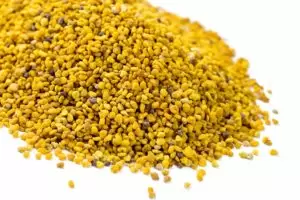
Palynologists study fossilized pollen and fungal spores to reconstruct past environments, track plant evolution, and solve forensic cases. With a median salary of $88,530 and projected job growth of 4% through 2032, this specialized field requires a doctoral degree for most research positions. Career opportunities exist in academic research, environmental consulting, government agencies, and law enforcement.
Palynology focuses on a remarkable fact: not all pollen comes from plants. The vast majority settles in environments like riverbeds and peat bogs, where it can survive for thousands of years. That's where you come in as a palynologist—reading these ancient records to understand past climates, track agricultural development, and even help solve criminal investigations. While this is a small and highly specialized field, it offers the opportunity to become a sought-after expert combining fieldwork with laboratory analysis.
What Does a Palynologist Do?
Palynologists collect and study pollen and spore samples from sites where they're likely to survive in high numbers. From these samples, you can derive genetic changes in plants over time (whether through natural evolution or agricultural crossbreeding), track species distribution patterns, and reconstruct the ecological history of an area. Pollen and spores serve as excellent indicators of local and global climate change, since most plants grow within narrow ecological ranges.
Finding wetland plant pollen on a dry plain indicates a much wetter past. The sudden appearance or disappearance of certain pollen types can reveal natural topographic changes, natural disasters, human agricultural activity, and help construct archaeological or paleoclimate records. Whether you're examining genetic structures for evolutionary research or identifying specimens to build an ecological site history, your tools and methods remain consistent.
Daily Responsibilities
Most palynologists split their time between fieldwork and laboratory analysis. In the field, you'll collect samples from archaeological sites, wetlands, or other locations where pollen preservation is likely. Back in the lab, you'll prepare slides, examine specimens under microscopes, measure and classify samples, and analyze data using statistical models. You'll also collaborate on research findings by writing papers, creating reports for stakeholders, or presenting at conferences.
Forensic Applications
Your specialized skills are increasingly valuable in law enforcement. When evidence is found at a crime scene—such as a body or suspicious material—forensic palynologists help determine how long the evidence has been deposited there and whether it was moved from another location. The unique pollen signature of different geographic areas acts like a fingerprint, allowing you to trace evidence back to specific regions or even individual sites. This application requires expertise in both palynology and evidence handling protocols, making forensic palynologists highly specialized experts who may testify as expert witnesses in court cases.
Where Does a Palynologist Work?
Palynology represents a small but important niche within ecology, human geography, and landscape archaeology. Nearly all palynologists work in laboratories, though the type of institution varies based on your career focus.
Academic Research Settings
Many palynologists work in university departments, where they conduct academic research, teach courses, and mentor graduate students. In these roles, you'll pursue independent research questions, apply for grants to fund your work, and contribute to the broader scientific understanding of plant evolution, climate change, and ecological history. Academic positions typically require a doctoral degree and often include a combination of research, teaching, and administrative responsibilities.
Private Consulting & Government Roles
Independent research services and consulting firms hire palynologists to produce site reports for ecological or archaeological assessments required before development projects. These positions tend to be more applied, with shorter project timelines and specific client deliverables. Federal government agencies such as the EPA and NOAA also employ palynologists for environmental monitoring, climate research, and regulatory compliance. Law enforcement agencies may contract with forensic palynologists on an as-needed basis for criminal investigations.
Palynologist Salary & Job Outlook
As a highly specialised field requiring advanced education, palynology offers competitive compensation even within environmental science. According to the Bureau of Labor Statistics, palynologists fall under the broader occupational category of microbiologists.
Salary by Experience Level
Your earning potential as a palynologist increases significantly with experience and specialization. As of 2024, microbiologists earned the following:
| Experience Level | Typical Salary Range | Common Roles |
|---|---|---|
| Entry-Level (0-2 years) | $53,000–$65,000 | Research assistant, lab technician, field sample collector |
| Mid-Career (3-5 years) | $66,000–$85,000 | Research associate, project lead, consultant |
| Experienced (6-10 years) | $85,000–$110,000 | Senior researcher, laboratory supervisor, forensic specialist |
| Senior/Top 10% | $156,880+ | Principal investigator, research director, expert witness |
Median annual salary for microbiologists: $88,530
Salary varies by sector. Academic research positions often pay less than private consulting or government roles but offer greater research independence. Federal government positions with agencies like the EPA or NOAA typically provide competitive salaries with strong benefits packages. Forensic palynologists working with law enforcement may command premium rates due to the specialized nature of their expertise.
Job Growth Projections
The Bureau of Labor Statistics projects employment of microbiologists (including palynologists) to grow 4% from 2022 to 2032, resulting in approximately 2,200 job openings annually. This growth rate is as fast as the average compared to all occupations.
It's important to understand the competitive landscape. Palynology is a small field with limited openings, particularly for positions that don't require teaching responsibilities. Most research positions require a doctoral degree due to the specialized nature of the work and the high level of expertise needed. However, this specialization also means less competition once you've completed your education, and your expertise becomes increasingly valuable as you gain experience.
Palynology Jobs & Job Description
A niche segment of geoscience, palynologists share some job duties with ecologists and archaeologists. Job responsibilities evolve as you advance in your career.
Entry-level palynologist responsibilities may include:
- Investigate the composition, structure, or history of pollen and spores through collection, examination, measurement, and classification of samples
- Assist in fieldwork by collecting and cataloguing samples from various sites
- Conduct laboratory testing of field-collected samples and maintain detailed logs of results
- Analyze data using computer programs and statistical models
- Collaborate on research findings by writing papers or participating in conferences
Established palynologist responsibilities often include:
- Supervise junior scientists and oversee their research tasks
- Maintain high-quality standards across projects
- Develop project goals and parameters while leading data collection and analysis
- Produce technical documents, including proposals and presentations for stakeholders
- Write grant proposals to secure funding for research projects
- Serve as expert witness in forensic cases (for those specializing in forensic palynology)
Education & Training Requirements
Palynology is a form of environmental biology, requiring substantial education and training. Here's the typical educational pathway:
| Degree Level | Duration | Focus Areas | Career Outcomes |
|---|---|---|---|
| Bachelor's Degree | 4 years | Biology, botany, geology, archaeology, chemistry, or ecology | Research assistant, lab technician (limited opportunities) |
| Master's Degree | 2-3 years | Specialized palynology coursework, thesis research, advanced lab techniques | Research associate, consulting positions, some government roles |
| Doctoral Degree (PhD) | 4-6 years | Original research, dissertation, teaching experience, grant writing | Academic research, senior consulting, federal agencies, expert witness work |
Undergraduate Preparation
High school students should focus on achieving strong grades in chemistry, biology, and mathematics to ensure eligibility for relevant degree programs. As an undergraduate, you have several degree options: archaeology and anthropology, microbiology, chemistry, botany, geography, or ecology. Choose minors and electives that complement your major and relate to palynology—courses in plant identification, microscopy, statistical analysis, and earth science are particularly valuable.
Graduate Studies & Specialization
Due to the limited number of positions and the analytical nature of the work, most palynologists require a doctorate, regardless of whether they intend to teach. It's generally advisable to continue the course of study you began with your bachelor's degree into your master's program, ensuring your project work integrates various elements of palynology. Federal government positions with agencies such as the EPA and NOAA typically require a doctoral degree.
During graduate studies, seek opportunities to work with established palynologists, gain experience with different sample types and analytical techniques, and develop expertise in a specific application area (climate reconstruction, archaeological research, or forensic analysis).
Essential Skills
Beyond formal education, successful palynologists develop several critical skills:
- Microscopy expertise: You'll spend considerable time examining microscopic specimens and must be comfortable with detailed visual analysis
- Botanical knowledge: Understanding plant taxonomy and ecology is essential for accurate pollen identification
- Patience and attention to detail: Sample preparation and analysis require meticulous work and sustained concentration
- Data analysis: Statistical software proficiency and the ability to interpret complex datasets
- Scientific writing: Clear communication of findings through research papers, reports, and presentations
- Field research skills: Proper sample collection techniques and documentation in various environmental conditions
Other Degrees Related to Palynology
Career Path & Advancement
Understanding the typical career progression helps you set realistic expectations and plan your professional development.
Entry-Level Positions
Most palynologists begin as research assistants or laboratory technicians while completing graduate education. These positions involve sample preparation, data collection, and assisting senior researchers. You'll develop technical skills, learn standard protocols, and begin building your professional network. Some entry-level work is available with just a bachelor's degree, but advancement opportunities are limited without graduate education.
Senior & Leadership Roles
With experience and a doctoral degree, you can advance to senior researcher, project lead, or laboratory director positions. These roles involve greater independence in research design, supervision of junior staff, grant writing, and strategic planning. Forensic palynologists may become recognized expert witnesses, while those in consulting can establish independent practices. Academic palynologists progress through assistant, associate, and full professor ranks, with increasing responsibilities for teaching, research direction, and department leadership.
Frequently Asked Questions
Is palynology a good career choice?
Palynology offers rewarding work for those passionate about plants, climate history, and detailed scientific analysis. The field is highly specialized, which means limited job openings but also less competition and opportunities to become a recognized expert. Most positions require a doctoral degree and offer competitive salaries. If you're drawn to combining fieldwork with laboratory analysis and enjoy meticulous research, palynology can be an excellent career. However, you should understand it's a small field with fewer opportunities than broader environmental science careers.
How long does it take to become a palynologist?
Plan for at least 10-12 years of education beyond high school. This includes a 4-year bachelor's degree, a 2-3-year master's degree, and a 4-6-year doctoral program. Most competitive positions require a PhD, though some research assistant or consulting roles may be available with a master's degree. During your doctoral program, you'll also gain teaching experience and begin publishing research, which strengthens your professional credentials.
Can I work as a palynologist with just a bachelor's degree?
Very limited opportunities exist with only a bachelor's degree. You might find work as a laboratory technician or research assistant, but these positions typically support others' research rather than conducting independent analysis. Most employers require at least a master's degree for consulting work and a PhD for academic research or senior government positions. If you're interested in palynology, plan on pursuing graduate education to access meaningful career opportunities in the field.
What is forensic palynology?
Forensic palynology applies pollen analysis to criminal investigations. Since different geographic areas have unique pollen signatures, forensic palynologists can determine where evidence originated or whether it's been moved between locations. You might analyze pollen on clothing, vehicles, or other evidence to establish connections between suspects and crime scenes. This specialization requires expertise in both palynology and forensic science protocols, and forensic palynologists often serve as expert witnesses in court cases.
Where do most palynologists work?
Most palynologists work in university research laboratories, where they conduct academic research, teach courses, and mentor graduate students. Others work for environmental consulting firms, producing ecological assessments required before development projects. Federal agencies like the EPA, NOAA, and the National Park Service also employ palynologists for climate research and environmental monitoring. A smaller number specialize in forensic work with law enforcement agencies or work as independent consultants.
Key Takeaways
- Specialized Expertise: Palynologists study fossilized pollen and spores to reconstruct past climates, track plant evolution, and solve forensic cases—a unique combination of fieldwork and laboratory analysis requiring advanced scientific training.
- Doctoral Degree Required: Most research positions require a PhD due to the highly specialized nature of the work, with the complete educational path taking 10-12 years beyond high school including bachelor's, master's, and doctoral degrees.
- Competitive Compensation: Palynologists earn a median salary of $88,530 as microbiologists, with top earners making $156,880+ annually, particularly in forensic specializations and federal government positions.
- Limited but Growing Field: With projected growth of 4% and approximately 2,200 openings annually, palynology is a small field offering less competition for those who complete the rigorous educational requirements.
- Diverse Applications: Career opportunities span academic research, environmental consulting, government agencies (EPA, NOAA), and forensic science, with work environments ranging from university laboratories to archaeological field sites and courtrooms.
Ready to explore environmental science education? Whether you're interested in palynology or related fields like ecology, microbiology, or archaeology, finding the right degree program is your first step toward a specialized scientific career.

Professional Organizations & Resources
Several organizations support palynologists worldwide through networking, conferences, and professional development:
- The Palynological Society: Formerly the American Association of Stratigraphic Palynologists, this organization promotes palynology in the public sphere and publishes research journals.
- International Federation of Palynological Societies: This federation brings together palynological organizations worldwide, promoting international cooperation and knowledge dissemination.
- International Organisation of Palaeobotany: Though dedicated to studying ancient plant remains, this organization organizes the annual palynology congress and publishes important research in the field.
2024 US Bureau of Labor Statistics salary and job growth figures for microbiologists reflect national data, not school-specific information. Conditions in your area may vary. Data accessed January 2026.