
Forensic biologists analyze biological evidence from crime scenes to help solve criminal cases. These specialized scientists work primarily in crime labs and with law enforcement agencies, examining DNA, plant materials, insects, and other biological specimens. Most forensic biologists hold bachelor's degrees in biology or forensic science, with master's degrees preferred for advancement. According to the Bureau of Labor Statistics, forensic science technicians earned a median salary of $64,940 as of May 2024, with the field projected to grow 6% through 2032.
Ever wondered who analyzes the biological clues that solve criminal cases? Forensic biologists are scientific detectives who piece together evidence from crime scenes—examining everything from DNA and blood patterns to insect activity and plant materials. If you're passionate about both biology and justice, this specialized career path bridges laboratory science with law enforcement to help answer critical questions about criminal investigations.
Biology deals with the science of living things—human, plant, animal, and everything in between. Forensic biologists apply this knowledge to criminal investigations, studying how biological systems interact with their environment to reconstruct events. While some specialists focus on a single organism type, others examine the broader ecological context of crime scenes. None of these biological elements exists in isolation, which is why forensic biologists need comprehensive training across multiple biological disciplines.
What Does a Forensic Biologist Do?
Forensic biologists piece together a picture from "freeze frame" biological evidence. They're essentially biological detectives, examining various aspects such as entomology (insect evidence), environmental factors that shape living organisms, and the circumstances surrounding death. Their work requires understanding fields like botany and microbiology, even when examining human remains.
When forensic biologists examine a crime scene, they're asking critical questions: How did this organism live? How did it die? What are the circumstances of its death? What's the likely sequence of events in its final days or hours? This detective work naturally leads many professionals into law enforcement or scientific services roles. The evidence they collect and analyze can be used for both prosecution and defense—suspects are often acquitted based on biological evidence that contradicts the prosecution's theory of the case.
Where Does a Forensic Biologist Work?
Forensic biologists find work in several specialized settings. Some are employed in anthropology, helping to understand what brought about the end of an individual or civilization. Others work with archaeologists to determine whether a body discovered on a construction site is ancient or recent. Their expertise in biological detective work adds invaluable human context to historical investigations.
Most forensic biologists work with law enforcement at the state or local levels with police departments, or at the federal level with agencies like the FBI. They typically work in dedicated research units as employees or consultants on retainer. Some forensic biologists become law enforcement officers themselves, joining investigation teams as police officers or federal agents. This allows them to work both in the field at crime scenes and in the laboratory analyzing evidence.
When working for the prosecution, forensic biologists build comprehensive pictures of how and when victims died. They examine soil samples, analyze animal feeding patterns, study decomposition rates, identify drugs in biological systems, and even determine last meals consumed. Regardless of their specific role, forensic biologists typically pursue one of two specializations: crime scene analysis (working directly at investigation sites) or laboratory analysis (examining evidence collected by others).
What Is the Average Forensic Biologist Salary?
Forensic science is a highly specialized career choice, particularly given the critical role forensic investigators play in the criminal justice system. According to the Bureau of Labor Statistics, forensic science technicians earned a median salary of $64,940 as of May 2024. The lowest 10% in this profession earned $38,150, while the highest 10% earned over $107,490. These salary figures are higher than those of many other life science professions, likely reflecting the important criminal justice work forensic biologists perform and the specialized skills required.
Salary can vary significantly based on employer type and location. Forensic biologists working for federal agencies typically earn higher salaries than those employed by state or local governments. Geographic location also plays a major role—forensic scientists in metropolitan areas with higher costs of living and greater crime investigation needs often command premium salaries. Experience and advanced degrees substantially impact earning potential, with senior forensic biologists and those with doctoral degrees earning well into six figures.
Work schedules vary by specialization. Crime scene investigators can expect to be on call for emergencies, responding to crime scenes at any hour. Lab technicians typically work standard 9-to-5 Monday through Friday schedules, though pending cases requiring urgent analysis may necessitate overtime or weekend work. Both positions may require testimony in court proceedings, which adds variability to typical work schedules.
Forensic Biology Job Requirements
Forensic biologists are deeply involved in solving crimes at every stage of investigation. Working in criminal and civil law for government agencies and private labs, they study samples from crime scenes to put critical pieces of the puzzle together, identifying criminals and gathering evidence for prosecution or defense. The career requires a unique combination of scientific expertise, analytical thinking, and meticulous attention to detail.
Entry-Level Forensic Biologist Positions
A bachelor's degree in forensic science or a biology-related field forms the foundation for forensic biology careers. Entry-level positions require the ability to analyze evidence from various crime types, including homicides and assaults, with particular expertise in working with biological specimens such as serological samples and DNA evidence. Experience in human and animal genetics is essential. New forensic biologists work alongside experienced team members in laboratory settings, using both standard and innovative procedures to analyze samples.
The work demands precision in both qualitative and quantitative analysis—any deviation can alter criminal investigation outcomes. Forensic biologists must properly store, categorize, and track all samples for future use while maintaining detailed reports of all procedures and findings. They need the ability to use specialized laboratory equipment and maintain calibration regularly. Travel requirements vary by project and geographic region, ranging from minimal to extensive. Strong communication skills are crucial for explaining analysis results to lawyers and law enforcement personnel, and all forensic biologists must be prepared to provide expert testimony in court.
Senior Forensic Biologist Responsibilities
Senior forensic biologists perform important administrative and leadership tasks in addition to standard analytical work. A master's degree or Ph.D. in forensic science or a related scientific field, combined with substantial forensic work experience, is typically required for senior positions. These professionals design and implement laboratory budgets, approve supply orders, and manage feedback from laboratory staff to improve testing methods and protocols.
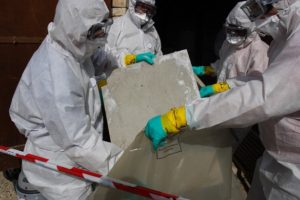
Senior forensic biologists create and deliver training programs for both laboratory staff and law enforcement teams. They ensure all personnel use safe handling procedures for biological and chemical components and wear proper personal protective equipment. Regular quality assurance assessments are their responsibility, along with maintaining thorough documentation of all work conducted. Senior forensic biologists work independently to complete complex tasks efficiently, attend training seminars and workshops to stay current with policies and procedures, and oversee casework while assigning tasks to laboratory staff. Their role combines scientific expertise with management skills, requiring both technical proficiency and leadership capabilities.
What Is the Job Demand for Forensic Biologists?
The Bureau of Labor Statistics projects forensic science occupations, including forensic biology, will grow by 6% between 2022 and 2032, which is about as fast as the average for all occupations. This growth translates to approximately 2,800 annual job openings nationwide, created by both new positions and the need to replace workers who leave the occupation.
Several factors are driving demand for forensic biologists. Police departments and other criminal investigators increasingly rely on forensic evidence as DNA analysis technology becomes more sophisticated and accessible. Jurors and judges have come to expect expert forensic testimony in criminal cases, creating consistent demand for qualified professionals. Additionally, new forensic methods continue to emerge, requiring experts who can implement and interpret these techniques.
It's important to note that forensic biology is a relatively small professional community compared to broader scientific fields. Most demand is concentrated in metropolitan areas with larger populations and higher crime rates. This geographic concentration means forensic biologists may need to relocate to find optimal employment opportunities. Competition for positions can be significant, particularly in desirable locations or with prestigious agencies like the FBI. Specialized forensic training and advanced degrees can provide competitive advantages in the job market.
What Are the Education Requirements to Become a Forensic Biologist?
Most forensic biologists today hold at least a bachelor's degree. Entry-level positions are available to candidates with degrees in hard sciences such as chemistry, biology, and physics. For biological forensic work specifically, a biology degree is essential. There's a growing number of dedicated forensic science degree programs, which combine biological training with criminal justice coursework. Where possible, prospective forensic biologists should take minors and electives in biology and environmental science-related options to broaden their expertise.
For those choosing to work as law enforcement officers with forensic specialization, strict criteria must be met for both education and background. These typically include physical fitness requirements, background checks, psychological evaluations, and completion of police academy training. Criminal justice education can complement biological training for those pursuing this pathway.
Master's degrees are increasingly preferred and open more career options, especially in competitive markets or regions with high demand. Graduate education allows for specialization in specific areas of forensic biology, such as DNA analysis, forensic entomology, or forensic botany. Forensic scientists receive on-the-job training regardless of whether they work with police departments or as police officers themselves. The greater understanding and research experience gained through master's-level study provide advantages for promotion and increased responsibility.
A doctorate is generally not necessary for fieldwork or laboratory analysis positions. However, doctoral degrees become vital for those wishing to develop new forensic sciences, conduct research into forensic methods, or work in academic settings, teaching the next generation of forensic biologists. Doctoral-level forensic biologists typically have little to no field experience, instead focusing on research, method development, and education.
Forensic Biology - Related Degrees
What Kind of Societies and Professional Organizations Do Forensic Biologists Have?
Several professional organizations support the forensic biology community, offering networking opportunities, continuing education, and professional development resources:
The American Academy of Forensic Sciences is the largest U.S. organization for professionals working with law enforcement. Their objective is to advance the cause of science as a crime-detection and crime-fighting tool while promoting professional conduct and ethical standards in forensic work.
The North American Forensic Entomology Association serves the specialized field of forensic entomology. Since insect evidence is such a niche but vital area in forensic biology, it requires its own professional body bringing together experts from across the continent who study insect evidence in criminal investigations.
The International Association for Identification, the world's oldest forensic investigation organization, is involved in the education, dissemination, and research of forensic sciences across all specializations, including biological evidence analysis.
Frequently Asked Questions
What degree do I need to become a forensic biologist?
You need at least a bachelor's degree in biology, forensic science, or a related hard science like chemistry or physics. A biology degree is most directly applicable to forensic biology work. Master's degrees are increasingly preferred and can significantly improve your job prospects and advancement opportunities, particularly in competitive markets or for specialized positions like DNA analysis or forensic entomology.
How long does it take to become a forensic biologist?
With a bachelor's degree, you can enter the field in four years, though you'll likely start in entry-level positions requiring supervision. Most forensic biologists pursue master's degrees, which adds another two years. Including on-the-job training and certification processes, expect 5-7 years from starting your undergraduate education to working independently as a forensic biologist. Those pursuing doctoral degrees for research or academic positions should plan for 8-10 years of total education and training.
Do forensic biologists work at crime scenes?
It depends on your specialization. Forensic biologists can pursue two main career paths: crime scene investigators who collect and analyze evidence directly at investigation sites, or laboratory technicians who examine evidence collected by others. Crime scene specialists travel to investigation sites and may work irregular hours responding to emergencies. Lab-based forensic biologists work primarily in controlled laboratory environments, analyzing samples brought to them by investigators.
Is forensic biology a good career?
Forensic biology can be a rewarding career for those passionate about both science and justice. The work offers intellectual challenges, competitive salaries (median $64,940 as of 2024), and the satisfaction of contributing to criminal justice. However, the field is competitive, with relatively few positions compared to broader biology fields. The work can be emotionally demanding, involving violent crime evidence and court testimony. Success requires strong analytical skills, attention to detail, and the ability to work under pressure with high-stakes outcomes.
What's the difference between a forensic biologist and a forensic scientist?
A forensic biologist is a specialized type of forensic scientist focusing specifically on biological evidence. While forensic scientists may work with various evidence types, including ballistics, fingerprints, digital evidence, and chemical analysis, forensic biologists concentrate on biological materials like DNA, blood, plant matter, insects, and other organic evidence. Forensic biologists need deeper expertise in biology, ecology, and life sciences, while general forensic scientists may have broader training across multiple evidence types.
Key Takeaways
- Education Requirements: A bachelor's degree in biology or forensic science is the minimum requirement, with master's degrees increasingly preferred for competitive positions and advancement. Doctoral degrees are necessary primarily for research and academic roles.
- Salary and Compensation: Forensic science technicians earned a median salary of $64,940 as of May 2024, with the lowest 10% earning $38,150 and the highest 10% earning over $107,490. Federal positions and metropolitan areas typically offer higher salaries.
- Job Growth: The field is projected to grow 6% from 2022 to 2032, creating approximately 2,800 annual job openings nationwide. Growth is driven by increasing reliance on forensic evidence in criminal investigations.
- Career Specializations: Two main pathways exist—crime scene investigators who work directly at investigation sites and laboratory technicians who analyze evidence in controlled lab settings. Both may require court testimony as expert witnesses.
- Essential Skills: Success requires strong analytical abilities, meticulous attention to detail, comprehensive biology knowledge, excellent communication skills for court testimony, and the ability to work under pressure with high-stakes outcomes.
Ready to explore your path in forensic biology? Discover accredited programs that can prepare you for this specialized career where science meets justice.
2024 US Bureau of Labor Statistics salary and job growth figures for forensic science technicians reflect national data, not school-specific information. Conditions in your area may vary. Data accessed January 2026.