
Mold remediation technicians are environmental health specialists who identify, analyze, and safely remove hazardous mold from residential and commercial buildings. While mold remediation technicians fall under the broader BLS category of hazardous materials removal workers, these professionals earned a median annual salary of $48,920 as of 2024. The role requires specialized training in biohazard safety, building systems, and public health regulations.
If you've ever walked into a basement and smelled that distinctive musty odor, you've encountered the kind of problem mold remediation technicians solve every day. These environmental health specialists protect people from the health hazards that mold and moisture create in buildings—from residential homes to historic government facilities. While mold might seem like a simple household annoyance, it's actually a serious public health issue governed by state, federal, and international regulations.
Molds are fungi, and some species are hazardous to human health and environmental health. At a minimum, exposure can trigger asthma, eczema, and aggravate allergies. Serious conditions such as pneumonia and other respiratory infections can develop from prolonged exposure. That's where mold remediation technicians step in—identifying problems before they escalate and implementing solutions to protect building occupants.
What Does a Mold Remediation Technician Do?
Mold can grow in any building, but it's most common in older structures where building technology wasn't as efficient at managing moisture. You'll find these specialists working in residential homes, commercial properties, industrial facilities, and government buildings—anywhere moisture and poor ventilation create conditions for mold growth.
The job combines assessment, analysis, and hands-on remediation. Mold remediation technicians identify and analyze air quality hazards, then recommend or implement improvements to a building's mold management system. This work can be preventative—installing better ventilation before problems develop—or curative when contamination has already occurred.
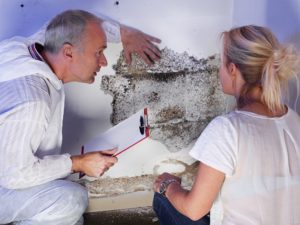
Recommendations might range from simple solutions, such as improving airflow through strategic window placement, to complex interventions that require coordination with building engineers to restructure ventilation systems. When active mold contamination is present, technicians perform decontamination, safely removing affected materials while preventing spore spread to uncontaminated areas.
Where Does a Mold Remediation Technician Work?
Mold remediation technicians are specialized industrial hygienists who work at the forefront of indoor environmental protection. Like other hazardous materials specialists, they can work in virtually any building environment. Here's how the employment landscape breaks down:
| Sector | Percentage | Work Focus |
|---|---|---|
| State & Local Government | 20% | Public buildings, schools, historic properties |
| Federal Government | 11% | Federal facilities, CDC, public health agencies |
| Manufacturing & Industry | 16% | Factories, industrial facilities, warehouses |
| Technical Services | 10% | Consulting, real estate inspections, legal assessments |
Government positions typically focus on ensuring publicly owned buildings remain safe for occupants. This includes schools (which often struggle with ventilation in older structures), government offices, and historic buildings built before modern moisture-control technology was available.
In manufacturing and industry, technicians ensure that ventilation systems clear not just mold but also other airborne particles that can compromise worker health. Industrial settings require robust environmental controls, making this sector a steady employer for remediation specialists.
Technical services positions offer the most variety. These professionals work for consulting firms or operate independently, providing assessment reports for real estate transactions, advising developers on remediation requirements, and supporting legal cases when property owners face environmental health violations.
What Is the Average Mold Remediation Technician Salary?
While mold remediation technicians fall under the broader BLS category of hazardous materials removal workers, salary data provides useful guidance for this specialized field. As of May 2024, hazardous materials removal workers earned a median salary of $48,920. The salary range varies significantly based on experience, location, and sector:
- Entry-level technicians typically earn around $38,610 (25th percentile)
- Mid-career professionals with certifications earn a median salary of $48,920
- Top 10% of earners make approximately $79,260, often in senior or supervisory roles
Government positions often provide strong benefits packages and job security, while private-sector roles may offer higher base salaries and performance incentives. Geographic location significantly impacts earnings, with higher salaries in regions with stringent environmental regulations and humid climates where mold problems are more prevalent.
Mold Remediation Jobs & Job Description
A mold remediation technician's work requires a specialized skill set due to biohazard concerns, physical demands, and technical equipment requirements. The role combines customer service, technical expertise, and hands-on remediation work.
Essential Skills & Responsibilities
- Work effectively as part of a team and follow supervisor's direction during complex remediation projects
- Maintain availability for emergency response situations (hours may vary depending on employer and location)
- Provide excellent customer service and clear communication while working in residential or commercial properties
- Complete ongoing training seminars and maintain required certifications
- Demonstrate expertise in mold identification and inspection techniques
- Participate in continuous professional development as technologies and best practices evolve
Physical Requirements
- The capability to perform physically demanding tasks like moving furniture, appliances, or building materials
- Ability to work overhead and on ladders or scaffolding for extended periods
- Tolerance for working in varying and sometimes extreme temperatures
- Proper use of personal protective equipment and self-care protocols to prevent biohazard exposure
Technical Competencies
- Competency in operating, maintaining, and servicing specialized equipment (industrial fans, dehumidifiers, power tools, containment systems)
- Ability to determine moisture readings using calibrated moisture meters
- Regular instrument calibration and maintenance
- Understanding of HVAC systems and building envelope principles
Career Advancement: Mold Remediation Manager
Experienced technicians often advance to management roles, which involve emergency response coordination, project estimation, and team supervision. Manager responsibilities include:
- Extensive experience in mold remediation operations and project management
- Skills to inventory and certify personal protective equipment for technical teams
- Assignment and coordination of work orders across multiple projects
- Excellent verbal, interpersonal, and written communication skills for client acquisition and technician direction
- Ensuring team compliance with company protocols and OSHA regulations
- Providing on-site training and developing training programs using current equipment and MSDS information
- Conducting safety protocol audits and assessments
- Providing expert consultation to clients on remediation strategy and prevention
- Completing detailed documentation, including observations, measurements, diagrams, and cost estimates
- Maintaining comprehensive work completion reports
- Inspecting equipment inventory and placing replacement orders as needed
What Is the Job Demand for Mold Remediation Technicians?
The Bureau of Labor Statistics projects 3% growth for industrial hygienists and hazardous materials removal workers from 2022 to 2032. This represents slower growth compared to the average for all occupations.
Several factors influence demand for mold remediation specialists. Advances in building design and materials are reducing mold problems in new construction, potentially decreasing the need for reactive remediation. However, the enormous stock of older buildings—particularly in humid climates and historic districts—continues to require specialized attention.
We're also seeing a shift toward comprehensive environmental health roles. Rather than specializing solely in mold, employers increasingly seek building condition generalists with broader knowledge spanning air quality, water damage, structural issues, and energy efficiency. Professionals who can integrate mold remediation expertise with related skills such as environmental laboratory work or building science may have stronger career prospects.
What Are the Education Requirements to Become a Mold Remediation Technician?
Most mold remediation technicians hold degrees in public health, occupational health and safety, biology, or related sciences. These programs provide the foundational knowledge needed to understand mold biology, health impacts, and remediation strategies.
High School Preparation
If you're still in high school, focus your coursework on general sciences—particularly biology—to build your understanding of fungi, microbiology, and environmental systems. Strong English and communication skills are equally important, as report writing and client communication represent significant portions of the job.
Undergraduate Education
At the degree level, tailor your studies to the role. Beyond core programs in public health or occupational safety, consider taking law-related minors or electives to understand the regulatory environment. Health physics coursework, where available, provides a valuable perspective on radiation and particle exposure principles that apply to mold spore control.
Certifications & Licensure
While most states don't require official certification to practice, certification significantly improves employment prospects and earning potential. Many employers will fund certification courses as part of your professional development. Common certifications include those offered by the Institute of Inspection Cleaning and Restoration Certification (IICRC) and the National Organization of Remediators and Mold Inspectors (NORMI).
Graduate degrees (master's or PhD) aren't necessary for applied remediation work, though they may be valuable if you're interested in research, teaching, or advancing into senior policy roles.
Mold Remediation - Related Degrees
Frequently Asked Questions
Do I need a college degree to become a mold remediation technician?
While many employers prefer candidates with degrees in public health, occupational safety, or biology, some entry-level positions are available to candidates with certifications and on-the-job training. However, career advancement opportunities and higher-paying positions typically require formal education. A degree also provides the scientific foundation needed to understand mold biology, health impacts, and proper remediation techniques.
Is mold remediation a dangerous job?
Like all hazardous materials work, mold remediation carries risks when proper safety protocols aren't followed. However, trained technicians using appropriate personal protective equipment (respirators, protective suits, gloves, eye protection) can safely perform this work. The profession emphasizes safety training and equipment maintenance. Most health risks arise from prolonged exposure without proper protection, which is why certification programs emphasize protective measures.
How long does it take to become certified?
Basic certification courses typically require 2-5 days of intensive training, followed by an examination. However, becoming a skilled technician takes several months to a year of supervised fieldwork. Many professionals pursue multiple certifications throughout their careers as they specialize in different aspects of remediation (water damage, fire restoration, biohazard cleanup). Continuing education requirements ensure technicians stay current with evolving best practices and technologies.
Can mold remediation technicians work independently?
Yes, experienced technicians with proper certifications and business licenses can operate independently or start their own remediation companies. About 10% of professionals work in technical services, either as independent consultants or for small firms. Independent work typically requires several years of experience, comprehensive insurance coverage, and established relationships with real estate professionals, property managers, and legal firms who provide referrals.
What's the difference between a mold remediation technician and a manager?
Technicians perform hands-on remediation work—physically removing mold, operating equipment, and implementing containment measures. Managers oversee projects from assessment through completion, including emergency response, cost estimation, team coordination, client communication, and quality assurance. Managers typically need several years of field experience plus demonstrated leadership capabilities. The role shift from technician to manager is similar to moving from hands-on technical work to project management in other construction and environmental fields.
Key Takeaways
- Specialized Environmental Health Role: Mold remediation technicians protect public health by identifying, analyzing, and safely removing hazardous mold from buildings while preventing spore spread to uncontaminated areas.
- Competitive Compensation: Professionals in this field earned a median salary of $48,920 in 2024, with top earners earning approximately $79,260 in supervisory or specialized roles.
- Diverse Work Environments: About 31% work in government (state, local, and federal), 16% in manufacturing, and 10% in consulting or technical services, offering varied career paths and specialization opportunities.
- Education & Certification Pathways: While degrees in public health, occupational safety, or biology are preferred, certification programs provide practical training and significantly improve employment prospects and advancement opportunities.
- Physical & Technical Demands: The role requires physical fitness for demanding work conditions, technical competency with specialized equipment, and commitment to rigorous safety protocols to prevent biohazard exposure.
- Growing Professionalization: The field is evolving toward comprehensive building health specialists rather than single-issue technicians, rewarding professionals who develop broader expertise in indoor environmental quality.
- Moderate Growth Outlook: BLS projects 3% growth from 2022 to 2032, slower than average but steady, driven by ongoing remediation needs in older building stock despite advances in new-construction moisture control.
Ready to start your career protecting public health through environmental remediation? Explore accredited degree programs in public health, occupational safety, and environmental science to build the foundation for this rewarding career.
What Kind Of Societies and Professional Organizations Do Mold Remediation Technicians Have?
Mold remediation is a specialized niche with several dedicated professional organizations offering certification, training, and industry resources:
- National Association of Mold Remediators and Inspectors (NAMRI): NAMRI provides guidance to homebuyers and real estate professionals on building mold assessments and offers professional resources, training, and networking opportunities for remediation specialists.
- Institute of Inspection Cleaning and Restoration Certification: One of the premier certification bodies for professionals working toward cleaner indoor environments, offering industry-recognized credentials in mold remediation, water damage restoration, and related specialties.
- National Organization of Remediators and Mold Inspectors: Established in 1994 to provide comprehensive training for mold remediation professionals in anticipation of potential licensing regulation, NORMI offers education programs, certification, and advocacy for industry standards.
2024 US Bureau of Labor Statistics salary and job growth figures for hazardous materials removal workers reflect national data, not school-specific information. Conditions in your area may vary. Data accessed January 2026.