
Geological oceanographers study the ocean floor using geophysical technologies to map underwater terrain, examine tectonic activity, and locate natural resources. Most work in petroleum exploration, earning median salaries of $87,480, with specialized roles in oil and gas extraction averaging $157,880. A bachelor's degree in geology or oceanography is required for entry-level positions, though most professionals pursue master's degrees for advanced research and fieldwork opportunities.
If you're drawn to understanding what lies beneath our oceans—the geological forces shaping underwater mountains, the movement of tectonic plates, or the location of untapped energy resources—geological oceanography might be your calling. This specialized field combines geology, geophysics, and marine science to explore one of Earth's last frontiers: the ocean floor.
Geological oceanographers use the same principles and technologies employed on land—seismic surveys, core sampling, magnetic measurements—but apply them to the challenging underwater environment. Your work contributes to resource management, hazard prediction, and our fundamental understanding of how Earth's processes function beneath the waves.
What Does a Geological Oceanographer Do?
Geophysics provides vital tools for examining the nature of land and changing topography. In archaeology, it records natural and artificial features with high precision. In environmental science, it measures ecological features and tracks changes over time. In construction, surveyors and cartographers map soil, rock, and topography to optimize land development. In geological and geophysical oceanography, these same principles help us understand how Earth works beneath the oceans.
The data geological oceanographers collect feeds into geographic information systems (GIS) used for resource management, environmental monitoring, and scientific research. Your measurements become the foundation for understanding our planet's hidden underwater landscape.
Petroleum Exploration: Many geological oceanographers work in fossil fuel prospecting, searching for new oil and gas deposits beneath the ocean floor. While we transition toward renewable energy, this remains a vital role as global energy demand continues to grow.
Tectonic Research: Understanding how subaquatic tectonic plates interact helps predict earthquakes and volcanic activity. You'll map fault lines, measure plate movements, and study the geological forces that shape our planet.
Ocean Floor Mapping: Geological oceanographers survey underwater features like grabens (depressed blocks of Earth's crust between faults) and trenches (deep ocean valleys formed by tectonic activity). Your work completes the map of Earth in areas humans cannot yet physically reach.
Environmental Conservation: Some geological oceanographers focus on sustainability, ensuring that ocean floors are protected from harmful mining practices and that delicate underwater ecosystems are preserved for future generations.
What Is the Average Geological Oceanographer Salary?
Geological oceanographers fall under the broader Bureau of Labor Statistics category of geoscientists. According to the most recent BLS data, geoscientists earned a median annual salary of $87,480. The lowest 10% earned approximately $52,840, while the highest 10% earned $172,490 or more.
Salary varies significantly by sector and specialization:
| Employment Sector | Median Annual Salary | Typical Work Focus |
|---|---|---|
| Oil and Gas Extraction | $157,880 | Fossil fuel prospecting, offshore resource location, extraction system design |
| Federal Government | $104,210 | Research, conservation, environmental monitoring, hazard assessment |
| Engineering Services | $89,610 | Offshore platform design, geological consulting, site assessment |
| Technical Consulting | Variable | Private sector consulting, environmental impact studies, resource surveys |
The petroleum industry consistently offers the highest compensation due to the specialized skills required for offshore exploration and the industry's profitability.
Where Does a Geological Oceanographer Work?
According to 2010 employment data for geoscientists (the broader category including geological oceanographers), approximately 22% work in the petroleum industry. This remains the largest single employer of geological and geophysical oceanographers.
About one-sixth of geoscientists work in engineering services, though this percentage is lower for oceanographic specialists since less construction and engineering occurs at sea. Those in this sector typically design oil rigs, gas extraction systems, or offshore platforms.
Roughly one-seventh work in technical consulting and scientific services, providing expertise to companies, government agencies, or environmental organizations. About one-twelfth work in state government roles (excluding education and healthcare), focusing on resource management and environmental protection. One-fourteenth work in academia, conducting research and teaching the next generation of oceanographers.
Geographic Concentration: Texas employs the most geological oceanographers by number, reflecting the state's dominant oil and gas industry. However, opportunities exist wherever ocean research, resource extraction, or environmental monitoring occurs—particularly in coastal regions and near major research institutions.
What Skills Do Geological Oceanographers Need?
Success as a geological oceanographer requires a blend of technical expertise, physical capability, and analytical thinking. Here are the essential skills you'll develop and use throughout your career.
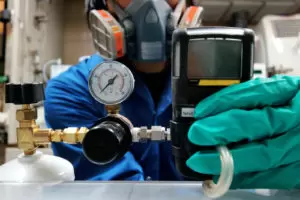
Technical Proficiency: You'll operate sophisticated geophysical equipment, including seismic sensors, magnetometers, gravity meters, and submersible probes. Proficiency with data analysis software, databases, and mapping technologies is essential. You'll spend significant time working with computer models and GIS systems to visualize and interpret your findings.
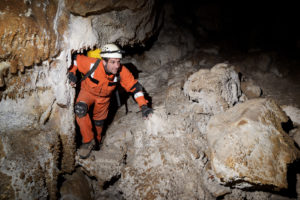
Physical Demands: This career involves extensive fieldwork in challenging conditions. You'll work outdoors on research vessels in extreme weather, handle heavy equipment, and maintain your balance on moving platforms. Comfort with ocean travel and the ability to work in confined spaces (like ship laboratories) are necessary.
Analytical Abilities: Interpreting geophysical data requires strong problem-solving skills and attention to detail. You'll analyze sound waves, magnetic readings, and core samples to draw conclusions about underwater geology. Pattern recognition and critical thinking help you identify geological features from complex data sets.
Communication Skills: You'll present findings to scientific colleagues, government officials, and industry clients through reports, presentations, and published research. Clear communication ensures your discoveries contribute to the broader scientific community and inform practical decisions.
Adaptability: Ocean conditions change rapidly. You'll need quick decision-making abilities and the flexibility to adjust research plans when weather, equipment issues, or unexpected findings require new approaches.
What Is the Job Demand for Geological Oceanographer?
According to the most recent Bureau of Labor Statistics projections, employment for geoscientists is expected to grow approximately 5% through 2032, creating about 2,200 job openings annually.
Several factors drive this growth. As easily accessible fossil fuel deposits become scarcer, companies invest more heavily in sophisticated surveying to locate new resources in challenging environments, such as the deep ocean floor. This increases demand for skilled geological oceanographers who can work in extreme conditions.
Beyond petroleum, growing emphasis on ocean conservation and environmental monitoring creates opportunities in government agencies and research institutions. Understanding how human activities affect ocean floor ecosystems requires ongoing geological assessment.
Climate change research also expands the field. Geological oceanographers contribute to understanding how rising ocean temperatures and changing currents affect underwater geological processes, sediment transport, and coastal erosion.
The quality and precision of geophysical surveying technology continue to improve, opening new applications in resource management, hazard prediction, and scientific discovery. As our tools become more sophisticated, the insights geological oceanographers provide become increasingly valuable.
What Are the Education Requirements to Become a Geological Oceanographer?
A bachelor's degree is the foundation for all entry-level positions in geological oceanography. Most students pursue degrees in geology, oceanography, geophysics, or closely related fields. During your undergraduate years, prioritize coursework in physics, mathematics, and computer science alongside your geology core. Since this is an applied science focused on fieldwork and instrumentation rather than pure research, strong quantitative and technical skills give you a competitive advantage.
Where available, take surveying courses as electives or minors. Hands-on experience with geophysical equipment during undergraduate labs helps you understand the practical aspects of data collection before entering the workforce.
Master's Degree (Highly Recommended): A master's degree allows you to specialize specifically in geological and geophysical oceanography. Graduate programs combine advanced theory with extensive fieldwork, often including research cruises where you'll use professional-grade survey equipment. Your thesis project typically involves original research that contributes to the field's knowledge base.
Master's programs closely align with your intended career path. If you're interested in petroleum exploration, seek programs with industry partnerships. If conservation appeals to you, look for programs emphasizing environmental applications of oceanographic research.
Doctoral Degree (For Academia): A PhD becomes necessary primarily if you plan to teach at the university level or lead major research programs. In industry and government, project managers sometimes hold doctorates, but they typically focus on administration rather than hands-on fieldwork. If the physical joy of ocean research attracts you more than laboratory analysis or administrative work, a master's degree provides sufficient credentials for a fulfilling career.
Geological Oceanography - Related Degrees
What Kind Of Societies and Professional Organizations Do Geological Oceanographer Have?
Several prestigious organizations serve geological oceanographers and the broader geoscience community:
- American Association of Petroleum Geologists (AAPG): With 38,000 members across more than 100 countries, AAPG advances petroleum geology through research, education, and professional development. The organization publishes leading journals, hosts conferences, and provides networking opportunities for geoscientists in the energy sector.
- American Geophysical Union (AGU): As the nation's largest organization for professional geophysicists, AGU serves as an essential hub for applied science across all industries. The union disseminates scientific information through publications, meetings, and educational programs, connecting geological oceanographers with colleagues in related fields.
- United States Geological Survey (USGS): While primarily a government science agency, USGS functions as an important professional community for geoscientists. The organization makes research findings and data available to both professionals and the public, advancing our collective understanding of Earth's processes.
Membership in these organizations provides access to cutting-edge research, continuing education opportunities, and professional networks that can advance your career throughout your working life.
Frequently Asked Questions
What's the difference between a geological oceanographer and a marine biologist?
Geological oceanographers study the physical structure of the ocean floor—rocks, sediments, tectonic activity, and geological processes. Marine biologists focus on ocean life, studying organisms, ecosystems, and biological processes. While both work in marine environments, geological oceanographers examine non-living geological features while marine biologists study living organisms and their interactions.
Do I need a PhD to work as a geological oceanographer?
No, most geological oceanographers work successfully with master's degrees. A PhD is primarily necessary for academic positions (university teaching and research leadership) or high-level government research roles. If you prefer hands-on fieldwork and data collection over administrative responsibilities, a master's degree provides sufficient credentials for a rewarding career in industry, government, or research institutions.
Is geological oceanography only for petroleum companies?
While petroleum exploration employs about 22% of geoscientists (the largest single sector), many other career paths exist. You can work in federal or state government conducting environmental research, join academic institutions studying tectonic processes, work for environmental consulting firms assessing ocean floor health, or contribute to climate change research examining how geological processes respond to changing ocean conditions. The field offers diverse opportunities beyond fossil fuel extraction.
What kind of fieldwork does a geological oceanographer do?
Fieldwork typically involves research cruises ranging from days to months at sea. You'll deploy submersible instruments attached to buoys or remotely operated vehicles, collect sediment core samples, conduct seismic surveys, and record magnetic and gravitational measurements. Work is done in all weather conditions, requiring physical stamina and comfort in ocean environments. You'll also spend considerable time in shipboard laboratories analyzing data immediately after collection.
Can I work remotely as a geological oceanographer?
Partially. Data analysis, mapping, report writing, and computer modeling can occur from office or home locations. However, the core work—collecting ocean floor measurements and deploying geophysical instruments—requires physical presence on research vessels or offshore platforms. Most positions combine extended fieldwork with office-based analysis. This isn't a fully remote career, but it offers variety between ocean expeditions and land-based work.
Key Takeaways
- Petroleum Industry Dominance: Approximately 22% of geological oceanographers work in oil and gas extraction, which offers the highest median salaries at $157,880 annually due to specialized offshore expertise required.
- Master's Degree Recommended: While a bachelor's degree qualifies you for entry-level positions, most professionals earn master's degrees to specialize in oceanographic research and access advanced fieldwork opportunities. PhDs are only necessary for academic careers.
- Fieldwork-Intensive Career: Expect extensive time aboard research vessels collecting data in extreme weather conditions. Physical capability, sea comfort, and adaptability to changing ocean environments are essential for success in this hands-on scientific field.
- Growing Demand: The field is projected to grow 5% through 2032, driven by increased need for sophisticated resource surveying, environmental monitoring, and climate change research as accessible fossil fuel deposits become scarcer.
- Diverse Applications: Beyond petroleum exploration, geological oceanographers contribute to tectonic research, hazard prediction, ocean floor mapping, environmental conservation, and climate science—offering career paths aligned with various interests and values within the marine science community.
Ready to explore your path in marine science? Discover accredited oceanography and geology programs that can prepare you for this unique career studying Earth's underwater frontier.

2024 US Bureau of Labor Statistics salary and job growth figures for geoscientists reflect national data, not school-specific information. Conditions in your area may vary. Data accessed January 2026. Learn more about geoscientist careers.