Fire and Fuel Managers maintain healthy ecosystems through controlled burns and wildfire management, working primarily for federal agencies like the US Forest Service and National Park Service. Conservation scientists and foresters earn a median annual salary of $68,390 nationally, with employment projected to grow 4% through 2032, creating approximately 3,200 annual job openings.
Fire and Fuel Managers play a critical role in protecting America's forests and wildlands. If you're drawn to outdoor work, ecosystem management, and fire science, this specialized career combines ecological knowledge with practical fire management skills. These professionals use controlled burns to maintain forest health while protecting communities from catastrophic wildfires.
This career suits those who value environmental stewardship and can handle the physical demands of fieldwork in remote locations. You'll need a strong foundation in forestry or ecology, comfort working in challenging conditions, and dedication to public service. Let's explore what this career path entails, from daily responsibilities to education requirements.
What Does a Fire and Fuel Manager Do?
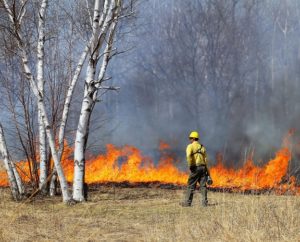
Fire and Fuel Managers maintain the delicate balance of America's forests and wildlands through strategic fire management. They conduct prescribed burns to reduce hazardous fuel loads, promote new growth, and restore natural fire cycles that many ecosystems depend on. When wildfires threaten communities or natural resources, these specialists assess risks and coordinate suppression efforts.
The ecosystems that make up the American landscape require careful management to remain healthy. Fire is a natural and essential part of many ecosystems, particularly in the dry western states. Fire and Fuel Managers understand how fire shapes plant communities, influences biological health from microbes to mammals, and creates habitat diversity.
A typical week combines office planning with fieldwork. You might spend Monday and Tuesday analyzing fuel conditions using GIS mapping software and weather data, planning prescribed burn operations for upcoming weeks. Wednesday could involve hiking remote forest areas to assess vegetation and fuel loads, marking burn unit boundaries with GPS equipment. Thursday and Friday might mean conducting a controlled burn with your crew, monitoring fire behavior, and ensuring the fire stays within planned boundaries.
Fire and Fuel Managers also respond to wildfire emergencies. During fire season (typically May through October in most regions), you may deploy to active wildfires as part of an incident management team. This work involves assessing fire behavior, predicting spread patterns, and coordinating with firefighters to protect lives and property.
Federal and state agencies regulate prescribed fire through strict permitting requirements. Fire and Fuel Managers ensure burns comply with Clean Air Act regulations, obtain necessary permits, notify local communities, and monitor smoke impacts. They must understand fire behavior in different fuel types, weather conditions, and topography to conduct burns safely and effectively.
Where Do Fire and Fuel Managers Work?
The majority of Fire and Fuel Managers work for federal land management agencies. The US Forest Service employs the most specialists in this field, managing 193 million acres across 154 national forests and 20 grasslands in 44 states. These professionals conduct prescribed burns, develop fuel management plans, and respond to wildfires on Forest Service lands.
The National Park Service represents another major employer. Park rangers and fire management specialists protect 85 million acres of parkland while maintaining natural fire regimes. Some parks, like Yellowstone and Sequoia-Kings Canyon, actively use prescribed fire to restore fire-adapted ecosystems.
The Bureau of Land Management employs Fire and Fuel Managers across 245 million acres of public lands, primarily in western states. This work focuses on rangeland fire management, wildlife habitat protection, and wildfire prevention near rural communities. BLM fire managers work alongside conservationists and rangeland specialists to balance multiple land uses.
State forestry departments and state parks offer additional opportunities, particularly in states with extensive forestland such as California, Oregon, Washington, Montana, and Colorado. State positions often involve closer collaboration with private landowners and local fire departments.
Some Fire and Fuel Managers work for disaster relief organizations like FEMA, coordinating response to major wildfire events. Environmental consulting firms and private timber companies employ fewer specialists to manage fire risk on private lands, though these positions are less common than federal positions.
Fire and Fuel Manager Salary and Compensation
Fire and Fuel Managers fall under the Bureau of Labor Statistics category of conservation scientists and foresters, which provides the most relevant salary data for this profession. As of 2024, conservation scientists and foresters earn a median annual salary of $68,390 nationally. The lowest 10% earn approximately $43,440, while the highest 10% earn more than $103,330.
Federal employees typically work under the General Schedule (GS) pay system. Entry-level Fire and Fuel Managers often start at GS-5 or GS-7 ($34,584–$44,428 to $42,823–$55,008 annually), depending on education level. Mid-career professionals advance to GS-9 through GS-11 ($52,764–$68,851 to $64,642–$84,441), while senior Fire and Fuel Managers reach GS-12 or GS-13 ($77,488–$100,739 to $92,245–$119,916).
Geographic location significantly impacts earning potential. Federal employees receive locality pay adjustments in high-cost-of-living areas. Fire managers working in California, Oregon, and Washington often earn 15-30% more than the base GS salary due to these adjustments. State positions vary widely, with California and Alaska typically offering higher salaries than those in the southeastern or plains states.
Fire season brings additional compensation opportunities. During active wildfire assignments, managers may earn hazard pay (typically 25% salary increase), overtime pay for hours exceeding 40 per week, and per diem allowances for temporary duty assignments. Some fire managers earn 30-40% of their annual income during the four-month peak fire season.
Federal positions include comprehensive benefits packages: health insurance, retirement through FERS (Federal Employees Retirement System), Thrift Savings Plan with employer matching, paid leave (13-26 days annually plus federal holidays), and pension benefits after 20-30 years of service. Many positions qualify for early retirement at age 50 with 20 years of covered fire service.
Most Fire and Fuel Managers work a standard 40-hour week during the non-fire season, focusing on planning, training, and fuel-reduction projects. During fire season, 50-70-hour workweeks become common, with emergency deployments requiring 14-21-day assignments away from home. This irregular schedule should factor into your career evaluation.
Job Outlook and Demand
The Bureau of Labor Statistics projects 4% employment growth for conservation scientists and foresters between 2022 and 2032, creating approximately 3,200 annual job openings nationwide. This growth reflects increasing recognition of fire's ecological role and the need for proactive wildfire risk management.
Demand varies significantly by region. Western states experiencing severe drought and longer fire seasons show the strongest need for Fire and Fuel Managers. California, Oregon, Washington, Montana, Colorado, Arizona, and New Mexico actively expand fire management programs to address increasing wildfire frequency and intensity. California alone has added hundreds of fire management positions since 2020 in response to catastrophic wildfire seasons.
Climate change drives long-term demand growth. Longer fire seasons, drier conditions, and more extreme fire behavior create a sustained need for fire management expertise. The expansion of the wildland-urban interface—areas where homes meet wildlands—increases the complexity and stakes of fire management, requiring more trained professionals.
Federal agencies face workforce challenges as experienced fire managers approach retirement. The US Forest Service and Bureau of Land Management both prioritize recruiting and training the next generation of fire managers. This creates opportunities for entry-level candidates, particularly those with relevant education and wildland firefighting experience.
However, regional demand variation is significant. States with extensive forests and wildfire risk offer far more opportunities than eastern or midwestern states, where prescribed fire is less common. Geographic flexibility significantly improves your employment prospects.
Education and Training Requirements
A bachelor's degree in forestry, ecology, range management, ora related environmental science field serves as the foundation for this career. Forestry programs offer particular advantages because they include practical fieldwork, fire ecology courses, and silviculture training directly applicable to fire management. Understanding tree species, forest succession, and ecosystem dynamics proves essential in this role.
Strong forestry programs are available nationwide. Look for programs accredited by the Society of American Foresters and offering fire ecology coursework. Many successful Fire and Fuel Managers also come from ecology, environmental science, or natural resource management backgrounds, supplementing their education with fire-specific training.
Federal fire management positions require completion of National Wildfire Coordinating Group (NWCG) training courses. The progression typically starts with S-130 (Firefighter Training) and S-190 (Introduction to Wildland Fire Behavior), and continues with additional courses that build toward prescribed fire qualifications. Plan to invest 2-3 years gaining certifications while working in entry-level positions.
The "Red Card" (incident qualification card) documents your training and experience. Entry-level Fire and Fuel Managers typically hold FFT1 (Firefighter Type 1) or squad boss qualifications. Advancing to prescribed fire positions requires RXB2 (Prescribed Fire Burn Boss Type 2) or RXB1 (Type 1) certification, which demands documented experience conducting burns under supervision.
Most Fire and Fuel Managers begin their careers as wildland firefighters or forestry technicians, gaining practical experience with fire behavior, suppression tactics, and ecosystem management. This hands-on experience typically spans 3-5 seasons before qualifying for fire management specialist roles. Consider this apprenticeship period when planning your career timeline.
Master's degrees are generally not required for Fire and Fuel Manager positions, unlike research or academic roles. However, advanced degrees in fire ecology, forestry, or natural resource management may accelerate advancement to senior positions or research-oriented roles within agencies.
Explore fire science degrees and careers as a forester to understand your educational options.
Fire & Fuel Management - Related Degrees
Skills and Certifications
Fire and Fuel Managers need diverse skills combining scientific knowledge, physical capability, and leadership abilities. Understanding fire ecology—how different ecosystems respond to fire, which plant species require fire for regeneration, and how fire intensity affects soil and wildlife—forms the technical foundation.
Physical fitness requirements are substantial. Federal wildland fire positions require passing the Work Capacity Test, typically the "arduous" level for fire management roles. This involves completing a 3-mile hike carrying a 45-pound pack in 45 minutes or less. You must maintain this fitness level throughout your career, as prescribed burns and wildfire assignments demand extended periods of strenuous outdoor work.
GIS and computer modeling skills have become increasingly important. Fire managers use spatial analysis to identify high-risk areas, model fire behavior under different weather conditions, and track fuel-reduction treatments. Familiarity with ArcGIS, fire behavior prediction software (FlamMap, BehavePlus), and remote sensing data analysis strengthens your qualifications.
Communication skills prove essential. You'll write prescribed burn plans, environmental assessments, and reports for agency administrators. Public communication skills help you explain prescribed fire operations to concerned community members and coordinate with multiple agencies during complex projects.
Weather interpretation abilities are critical. Fire managers must understand how temperature, humidity, wind speed, and atmospheric stability affect fire behavior. You'll work with meteorologists and use weather forecasting tools to identify safe burn windows and predict fire spread.
The table below compares requirements for entry-level and senior Fire and Fuel Manager positions:
| Requirement Category | Entry-Level Fire and Fuel Manager | Senior Fire and Fuel Manager |
|---|---|---|
| Education | Bachelor's degree in forestry, ecology, or related field | Bachelor's degree with extensive fire management experience; master's degree preferred for some positions |
| Certifications | Red Card with FFT1 or FFT2 qualification; S-130, S-190, S-290 courses completed | RXB1 (Prescribed Fire Burn Boss Type 1); ICT4 or ICT3 (Incident Commander qualifications); multiple NWCG courses |
| Experience | 1-3 fire seasons as wildland firefighter or forestry technician | 5-10+ years in fire management; documented prescribed fire leadership experience |
| Technical Skills | Basic fire behavior understanding; fuel assessment; GPS/GIS basics; equipment operation (chainsaws, drip torches) | Advanced fire behavior modeling; complex burn planning; smoke management; fire effects prediction; budget management |
| Physical Requirements | Pass arduous Work Capacity Test (3-mile, 45-lb pack, 45 minutes); ability to work in smoke, heat, rough terrain | Maintain arduous fitness level; extended field assignments in remote areas |
| Leadership | Work effectively within teams; follow instructions; maintain safety protocols | Lead burn operations with crews of 10-30 people; train personnel; delegate tasks; provide consultation to land managers |
| Planning & Analysis | Assist with fuel assessments; maintain equipment inventory; support burn plan development | Develop comprehensive burn plans; conduct environmental assessments; use computer modeling for fire simulation; present risk assessments to stakeholders |
Professional Organizations and Resources
Professional organizations provide valuable networking, continuing education, and career development opportunities for Fire and Fuel Managers.
Society of American Foresters: The SAF is a members-only organization that supports forestry professionals with technical resources, professional development, and policy advocacy. Their Fire and Fuels Working Group connects fire management specialists and shares best practices for prescribed fire operations.
National Park Service: Celebrating over a century of conservation, the National Park Service manages America's most treasured landscapes and employs fire management specialists who balance ecosystem restoration with visitor safety. The NPS actively uses prescribed fire as a management tool in fire-adapted ecosystems.
US Forest Service: The largest federal forestry agency, managing woodlands across 44 states and territories. The Forest Service leads federal prescribed fire programs and offers career pathways from entry-level positions through senior fire management roles. Their Fire and Aviation Management division provides specialized training and career development.
Association for Fire Ecology: This professional society advances fire ecology science and promotes communication among fire ecologists, land managers, and policy makers. Membership provides access to research publications, conferences, and connections with fire ecology professionals nationwide.
National Wildfire Coordinating Group (NWCG): While not a membership organization, NWCG sets training standards and qualifications for wildland fire positions nationwide. Their website provides free access to training materials, position task books, and qualification requirements.
Frequently Asked Questions
What's the difference between a Fire and Fuel Manager and a wildland firefighter?
Wildland firefighters focus primarily on suppressing active wildfires, working on the fire line with hand tools, engines, or aircraft. Fire and Fuel Managers plan and conduct prescribed burns, develop fuel management strategies, and assess fire risk—more planning and ecosystem management, less direct firefighting. However, most Fire and Fuel Managers begin their careers as firefighters and maintain those skills, often deploying to major wildfires as part of incident management teams during emergencies.
Do I need a master's degree to become a Fire and Fuel Manager?
No, a master's degree is not required for most Fire and Fuel Manager positions. A bachelor's degree in forestry, ecology, or a related field combined with NWCG certifications and field experience qualifies you for these roles. Master's degrees may help advance to research positions, university-affiliated roles, or senior leadership positions, but practical fire experience and certifications matter more than advanced degrees for most fire management careers.
What's a typical work schedule for Fire and Fuel Managers?
Work schedules vary dramatically by season. During non-fire season (roughly November through April in most regions), you'll work standard 40-hour weeks in the office, developing burn plans, conducting training, and planning projects. Fire season (May through October) brings irregular schedules with 50-70 hour weeks common. Emergency wildfire assignments may require 14-21 consecutive days away from home, working long shifts in challenging conditions. This seasonal variability should factor into your career decision.
Can I work as a Fire and Fuel Manager in the private sector?
Private sector opportunities exist but are limited compared to federal employment. Some timber companies employ fire managers to protect forest investments and conduct prescribed burns on private lands. Environmental consulting firms occasionally hire fire ecologists for specialized projects. However, approximately 80-90% of Fire and Fuel Manager positions are with federal or state land management agencies. If you're set on private sector work, consider environmental consulting with a fire ecology specialization, though these positions remain relatively rare.
What physical fitness level do I need to maintain?
Federal fire management positions require passing the arduous Work Capacity Test annually: a 3-mile hike with a 45-pound pack completed in 45 minutes or less. Beyond this test, the job demands significant physical capability. You'll hike steep terrain carrying equipment, work in extreme heat and smoke, and spend days at remote field camps with limited amenities. Regular cardiovascular exercise, strength training, and hiking practice help maintain the fitness level required for this career. Consider whether you can sustain this physical commitment throughout a 20-30-year career.
Key Takeaways
- Competitive Federal Careers: Fire and Fuel Managers primarily work for federal agencies (US Forest Service, National Park Service, Bureau of Land Management) with comprehensive benefits, retirement packages, and advancement opportunities on the General Schedule pay system.
- Regional Demand Variation: Employment opportunities are concentrated in western states with severe wildfire risk. California, Oregon, Washington, Montana, and Colorado offer the strongest job markets, while opportunities in eastern states remain limited.
- Practical Experience Required: This career requires 3-5 seasons of wildland firefighting experience before qualifying for fire management specialist roles. Plan for an apprenticeship period, gaining NWCG certifications and demonstrating competence before advancing to prescribed burn leadership positions.
- Physical and Seasonal Demands: Maintaining arduous fitness standards throughout your career is mandatory. Work schedules vary dramatically by season, with standard office hours during planning season and irregular, demanding schedules during fire season, including extended deployments to remote locations.
- Growing Field with Climate Drivers: Longer fire seasons, increased wildfire intensity, and expansion of the wildland-urban interface create sustained demand for fire management professionals. Federal agencies actively recruit to replace retiring managers and address growing workload demands.
Ready to protect America's forests and communities through fire science? Explore forestry and fire science degree programs that prepare you for this essential environmental career.
2024 US Bureau of Labor Statistics salary and job growth figures for conservation scientists and foresters reflect national data, not school-specific information. Conditions in your area may vary. Data accessed January 2026.