
A land management specialist maintains conservation areas and natural preserves through hands-on stewardship—managing trails, removing invasive species, installing structures like bridges and boardwalks, and engaging with the public. These roles typically fall under broader Bureau of Labor Statistics occupational categories like conservation scientists, forest and conservation workers, or park rangers depending on specific duties. Median salaries in these related fields range from $48,000 to $80,000 annually, with steady job growth projected through 2032.
If you're drawn to outdoor work that combines conservation science with practical skills, land management might be your calling. Land management specialist is a common job title used by federal, state, and local agencies as well as conservation organizations to describe professionals who are the boots-on-the-ground caretakers of parks, forests, and natural areas. You'll spend your days maintaining trails, managing ecosystems, building structures, and helping visitors understand the landscapes you protect.
Land management specialists blend the ecological knowledge of a conservationist with the hands-on skills of a forester and the public-facing responsibilities of a park ranger. It's physical work that makes a tangible difference—you'll see the direct results of your efforts in healthier ecosystems and better visitor experiences.
What Does a Land Management Specialist Do?
Land management specialists typically oversee several conservation areas or nature preserves. Think of them as hands-on environmental stewards who ensure these spaces stay healthy while remaining accessible to the public.
Your daily work might include maintaining trails using power tools like chainsaws, lawnmowers, and pruners. You'll design and build structures that make trails accessible—benches for resting, bridges over streams, clear signage, and elevated boardwalks that protect sensitive wetland areas from foot traffic. Beyond construction, you're responsible for maintaining and repairing these tools, ensuring they're safe and functional.
One of your most important responsibilities is combating invasive species. You'll identify problematic plants, coordinate removal efforts with contractors and volunteers, and monitor treated areas to prevent reinfestation. This hands-on conservation work protects native ecosystems from being overrun by aggressive non-native species.
The role isn't just physical labor—you'll also handle logistical planning. This includes setting up monitoring equipment, collecting data on ecosystem health, managing projects with multiple stakeholders, and sometimes assisting with land use planning decisions. You'll need strong knowledge of property boundaries to manage resources effectively and respond to boundary disputes.
There's a significant public-facing component, too. You'll interact with visitors daily, answering questions, explaining regulations, listening to concerns, and acting on reports of wildlife crime or vandalism. You're often the first point of contact between the public and the land you manage. You'll also counteract vandalism and repair damage from both human activity and natural events like storms.
How Land Management Differs From Similar Careers
People often confuse land management specialists with park rangers or foresters, but there are important distinctions:
Vs. Park Rangers: Park rangers focus more on law enforcement, visitor services, and education programs. Land management specialists do interact with the public, but spend more time on physical land maintenance—trail work, invasive species removal, and ecosystem restoration. Rangers patrol and protect; land management specialists build and maintain.
Vs. Foresters: Foresters concentrate specifically on timber management and forest health, often making decisions about tree harvesting and replanting. Land management specialists work across diverse ecosystems (forests, wetlands, grasslands, deserts) with a broader conservation focus rather than timber production.
Vs. Environmental Resource Managers: Resource managers typically work at a higher strategic level, making policy decisions and managing budgets. Land management specialists work on the ground, implementing those policies through hands-on stewardship.
Where Does a Land Management Specialist Work?
Land management specialists work in conservation science roles that blend ecological understanding with practical outdoor skills. Government agencies remain the largest employers, accounting for 75% of all positions in related fields.
You'll find these professionals managing diverse environments: national parks and forests, state parks and wildlife management areas, county and municipal open spaces, nature preserves owned by conservation nonprofits, and even private land holdings like summer camps or corporate campuses with conservation easements.
Work environments vary dramatically by geography and season. You might spend summer days hiking remote mountain trails or winter months managing prairie restoration projects. The work is physically demanding and weather-dependent—expect to be outdoors in heat, cold, rain, and snow. Most positions are year-round rather than seasonal, though workload and specific duties shift with the seasons.
| Employer Type | Percentage of Jobs | Typical Focus Areas |
|---|---|---|
| Federal Government | 34% | National parks, national forests, EPA sites, Fish & Wildlife Service lands |
| State Government | 24% | State parks, wildlife management areas, and state forests |
| Local Government | 17% | County parks, municipal open spaces, and regional preserves |
| Conservation Nonprofits | 10% | Private preserves, land trusts, conservation organization holdings |
| Other Private | 15% | Private estates, educational institutions, and corporate lands |
Federal positions with agencies like the National Park Service and EPA offer the most opportunities, followed by state departments of natural resources or environmental conservation. These government roles typically come with strong benefits packages and opportunities for advancement within the civil service system.
Land Management Specialist Salary & Compensation
Salary data for land management specialists comes from related Bureau of Labor Statistics occupational categories, as "land management specialist" is not a distinct BLS classification. Depending on specific job duties and employer classification, these positions may fall under conservation scientists and foresters (median $80,060 as of May 2024), forest and conservation workers (median $35,430), or park rangers and conservation technicians (median $48,940).
For professionals in roles emphasizing ecological knowledge and project management—typical of many land management specialist positions—the conservation scientists and foresters category provides the most relevant benchmark. This category reports a median annual salary of $80,060, with a mean (average) salary reaching $88,640 as of May 2024.
However, entry-level or seasonal land management positions often align more closely with forest and conservation worker classifications, which have lower median salaries but can lead to advancement into higher-paying specialist and scientist roles with experience and additional education.
Salary varies significantly based on experience, location, and employer type. Federal positions typically pay more than state or local government roles, and specialists working in high cost-of-living areas or for private conservation organizations may earn substantially more than the median.
| Percentile | Annual Salary | What This Means |
|---|---|---|
| 10th Percentile | $50,130 | Entry-level positions, seasonal work, or part-time roles |
| 25th Percentile | $62,090 | Early career professionals with 1-3 years of experience |
| Median (50th) | $80,060 | Mid-career professionals with solid experience |
| 75th Percentile | $103,730 | Senior specialists with supervisory duties or specialized expertise |
| 90th Percentile | $134,830 | Program managers, senior federal positions, or highly specialized roles |
Geographic location significantly impacts earnings. Specialists working in areas with high demand for conservation work or in regions with higher costs of living tend to earn more. Federal positions also come with locality pay adjustments that boost salaries in expensive metropolitan areas.
Land Management Jobs & Job Description
A land management specialist role combines the hands-on responsibilities of a forester and conservationist with the public-facing duties of a park ranger. Your exact responsibilities depend on your experience level and the organization you work for.
Entry-Level Responsibilities
An entry-level land management specialist typically handles these duties:
- Monitor and maintain trails, paths, and clearings using chainsaws, lawnmowers, hand saws, and other forestry tools
- Clean, maintain, and repair equipment as needed to ensure safe operation
- Patrol park or forest areas to protect resources and prevent damage
- Thin and space trees, control weeds and undergrowth using manual tools and approved herbicides
- Plan for and install structures like benches, signage, bridges, and elevated boardwalks
- Record data collected during monitoring activities (wildlife observations, trail conditions, visitor use patterns)
- Monitor for and coordinate the removal of invasive species that threaten native ecosystems
- Remove graffiti, repair vandalism, and address damage from storms or natural events
- Provide visitor services: explain regulations, answer questions, provide trail information, and safety guidance
Senior-Level Responsibilities
As you advance, you'll take on leadership and project management duties in addition to hands-on work:
- Train and supervise conservation workers and volunteers in tasks like tree planting, invasive species removal, and facility maintenance
- Provide information about and enforce regulations concerning environmental protection, resource use, and accident prevention
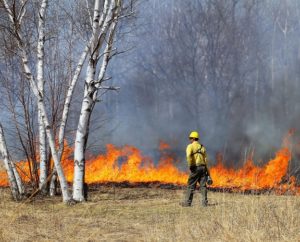
- Oversee complex projects like habitat restoration, trail reconstruction, or prescribed burns
- Communicate project information to local, state, and federal agencies and the public through reports, presentations, social media, and public meetings
- Assist in developing long-term plans for facility improvements and land management strategies
- Manage budgets for equipment, supplies, and contractor services
- Coordinate with other departments (law enforcement, education, maintenance) to achieve conservation goals
What Is the Job Demand for Land Management Specialists?
Employment projections for land management specialists come from related Bureau of Labor Statistics occupational categories. The conservation scientists and foresters category—which includes many land management roles emphasizing ecological expertise—is projected to grow 6% between 2022 and 2032, roughly matching the average growth rate across all occupations. This translates to approximately 6,900 annual job openings nationwide in this category, accounting for both new positions and replacements for workers who retire or change careers.
Job titles and classifications vary by employer. Federal agencies might list positions as "natural resource specialist," state parks as "park resource technician," and nonprofits as "land steward" or "preserve manager"—all describing similar land management work. Understanding that these roles cross multiple BLS categories helps explain why job search results may use different titles for essentially similar positions.
Several factors drive steady demand for land management specialists. Climate change increases the need for ecosystem restoration and adaptive management strategies. Growing public interest in outdoor recreation creates pressure to maintain and expand trail systems and visitor facilities. Invasive species management requires ongoing, dedicated staffing. And as the current workforce ages, many federal and state agencies face retirements that will create entry-level opportunities.
The most stable employment comes from government agencies with dedicated conservation missions. Federal hiring follows budget cycles and can be competitive, but once you're in the system, career progression opportunities are strong. State and local government positions may be more accessible for entry-level candidates, but can be vulnerable to budget cuts during economic downturns.
Conservation nonprofits and land trusts continue expanding their land holdings, creating additional demand for management staff. However, these positions often pay less than government roles and may depend on grant funding, making them less stable long-term.
What Are the Education Requirements to Become a Land Management Specialist?
Educational requirements vary significantly by employer and position level. While many permanent, full-time land management positions prefer candidates with bachelor's degrees, numerous entry pathways exist for those without four-year degrees—particularly for seasonal, technician-level, or entry positions. Your exact requirements depend on the specific role, employer, and whether you're targeting entry-level or career positions.
Federal agencies and state departments typically prefer bachelor's degrees for permanent specialist positions, but often hire seasonal workers and technicians with associate degrees, relevant certifications, or significant volunteer experience. Local governments and smaller conservation organizations may be more flexible, valuing hands-on skills and experience alongside formal education.
High School Preparation
If you're still in high school, focus on geography, biology, and environmental science courses. Math skills are important for data collection and analysis. Strong writing and communication skills will serve you well in the public-facing aspects of the role. Any hands-on experience with tools, machinery, or outdoor work demonstrates the practical aptitude employers value.
Bachelor's Degree Options
Several degree paths prepare you for land management work. The most direct routes include:
- Forestry – Provides practical skills in tree management, silviculture, and land stewardship
- Environmental Science – Offers a broad ecological understanding with flexibility to specialize
- Fish & Wildlife Management – Emphasizes habitat management and species conservation
- Environmental Biology – Builds strong ecological and biological foundations
- Environmental Planning and Design – Useful if you're interested in the infrastructure and design aspects
If you choose a more academic degree, complement it with practical minors or electives. GIS (Geographic Information Systems) is increasingly essential for mapping and data analysis. Coursework in communication helps with public interaction and report writing. Some mechanical or equipment operation skills are valuable for the hands-on aspects of the work.
Alternative Pathways
Some land management positions, particularly with local governments or small nonprofits, will consider candidates with:
- Associate degrees in forestry, natural resources, or environmental technology
- Extensive practical experience (volunteering, seasonal work, military service in related fields)
- Certifications in specific skills (chainsaw safety, prescribed fire, wildlife monitoring)
- Relevant trade backgrounds (carpentry, mechanics, landscaping) combined with conservation knowledge
Graduate Degrees
A master's degree isn't typically required for land management work. However, it can help if you want to move into research roles, policy positions, or senior management. Most successful land management specialists advance through experience and demonstrated competence rather than additional degrees.
Doctoral degrees are rarely necessary unless you're pursuing academic research or high-level policy work, neither of which involves much hands-on land management.
Land Management - Related Degrees
Essential Skills & Qualifications
Beyond formal education, successful land management specialists develop specific technical and interpersonal skills:
Technical Skills
- Equipment Operation: Safe, proficient use of chainsaws, brush cutters, mowers, ATVs, and hand tools
- GIS and Mapping: Creating maps, analyzing spatial data, using GPS units for boundary and feature location
- Plant and Wildlife Identification: Recognizing native species, invasive species, and indicator species for ecosystem health
- Data Collection: Systematic monitoring protocols, accurate record-keeping, basic statistical analysis
- Construction Skills: Basic carpentry for trail structures, bridges, and facilities
Soft Skills
- Physical Fitness: This work is demanding—you'll hike long distances, carry heavy equipment, and work in challenging weather
- Communication: Explaining regulations to visitors, writing reports, and coordinating with partners
- Problem-Solving: Adapting plans when weather changes, equipment breaks, or unexpected situations arise
- Time Management: Juggling multiple projects, seasonal priorities, and emergency responses
- Teamwork: Coordinating with volunteers, contractors, and other staff members
Certifications That Help
While not always required, these certifications can make you a more competitive candidate:
- Chainsaw safety certification
- Wilderness First Aid or First Responder
- Pesticide applicator license (for herbicide use)
- Prescribed fire certifications (if working in fire-adapted ecosystems)
- CPR and AED certification
Career Advancement Opportunities
Land management offers clear pathways for growth. Many specialists start in seasonal or temporary positions, move into permanent full-time roles, and advance to supervisory and management positions.
Typical Career Progression
Seasonal Technician → Work summers or specific project periods, gain hands-on experience, build your resume
Permanent Technician/Specialist → Year-round position with benefits, more independent work, some project leadership
Lead Specialist/Crew Leader → Supervise small teams, manage complex projects, train new staff
Program Manager/Resource Manager → Oversee multiple sites or programs, manage budgets, and develop strategic plans
District/Regional Manager → Senior leadership role managing entire districts or regions, policy influence, and budget authority
Specialization Options
As you gain experience, you might specialize in:
- Invasive species management
- Trail design and construction
- Prescribed fire management
- Volunteer and community engagement programs
- GIS and data analysis
- Endangered species monitoring and habitat restoration
Many land management specialists eventually transition into related roles like park ranger, environmental education coordinator, or conservation planner, using their field experience as a foundation for new directions.
What Kind Of Societies and Professional Organizations Do Land Management Specialists Have?
Professional organizations provide networking opportunities, continuing education, and resources to help you stay current in the field:
- Society for Range Management: Brings together scientists, students, teachers, land managers, and other professionals working in rangeland conservation and management across the country
- Environmental Protection Agency: The federal agency responsible for protecting wild spaces, public health, and ecological health across the United States
- US Forest Service: Manages 154 national forests and grasslands, offering career opportunities and professional development for conservation professionals
Frequently Asked Questions
What's the difference between a land management specialist and a park ranger?
While both work in parks and natural areas, park rangers focus more on law enforcement, visitor education, and interpretive programs. Land management specialists concentrate on physical maintenance—building and maintaining trails, managing invasive species, installing structures, and performing hands-on conservation work. Rangers protect and educate; land management specialists build and maintain.
Do I need a bachelor's degree to become a land management specialist?
Not necessarily, though it depends on the position. Many seasonal and entry-level technician roles accept associate degrees, relevant certifications, or significant volunteer experience. However, most permanent, full-time land management specialist positions prefer bachelor's degrees in forestry, environmental science, wildlife management, or related fields. Federal and state agencies are more likely to require four-year degrees for career positions, while local governments and smaller organizations may be more flexible. Starting in seasonal roles without a bachelor's degree can lead to permanent positions as you gain experience.
Is land management work seasonal or year-round?
Most permanent land management specialist positions are year-round, though your specific duties shift with the seasons. You might focus on trail maintenance in spring and summer, invasive species control in fall, and equipment maintenance and planning in winter. However, many people start their careers in seasonal positions before moving into permanent roles.
What's the career advancement path for land management specialists?
Typical progression moves from seasonal technician to permanent specialist, then to crew leader or lead specialist, and eventually to program manager or district manager roles. Many specialists also specialize in areas like prescribed fire, GIS analysis, or invasive species management, which can lead to senior technical positions.
What technical skills do land management specialists need?
You'll need proficiency with outdoor equipment like chainsaws, brush cutters, and ATVs. GIS mapping skills are increasingly important. Plant and wildlife identification abilities are essential, along with basic carpentry skills for building trail structures. Physical fitness is crucial—this work involves hiking long distances, carrying heavy equipment, and working in all weather conditions.
Key Takeaways
- Competitive Compensation: Land management positions classified under conservation scientists and foresters earn a median salary of $80,060 annually, with experienced professionals reaching $103,730 or more. Government positions typically include strong benefits packages with pensions and comprehensive health insurance.
- Steady Job Growth: The conservation scientists and foresters category projects 6% growth through 2032, creating approximately 6,900 annual job openings nationwide. Government agencies remain the largest employers, accounting for 75% of positions in related fields.
- Hands-On Conservation Work: This role combines physical outdoor work with ecological stewardship. You'll maintain trails, manage invasive species, build structures, and interact with the public—making tangible differences in ecosystem health and visitor experiences.
- Multiple Educational Pathways: While permanent positions often prefer bachelor's degrees in forestry, environmental science, or wildlife management, alternative pathways exist through associate degrees, certifications, and extensive practical experience. GIS skills are increasingly essential.
- Clear Career Progression: Start in seasonal roles, advance to permanent positions, and move into supervisory and management roles. Opportunities exist to specialize in areas like prescribed fire, invasive species management, or GIS analysis.
Ready to explore environmental science careers that combine outdoor work with conservation impact? Discover degree programs in forestry, wildlife management, and environmental science that prepare you for hands-on stewardship roles.
Salary and employment data cited from Bureau of Labor Statistics occupational categories, including conservation scientists and foresters (May 2024 wage data, 2022-2032 employment projections). "Land management specialist" is a common job title that may be classified under multiple BLS occupational categories depending on specific duties and employer classification. Employment distribution data for conservation scientists from the 2015 BLS industry employment statistics. Conditions in your area may vary. Data accessed January 2026.