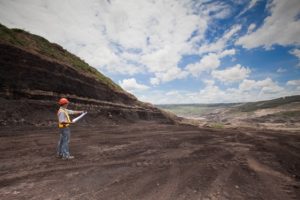


Environmental remediators clean up contaminated soil and water sites left behind by industrial pollution, working in roles from field technicians to engineers and compliance specialists. Professionals classified under environmental scientists and specialists earn a median salary of $80,060, though compensation varies widely by specific role. Educational requirements range from high school diplomas with certifications for hazmat technicians to bachelor's and master's degrees for scientists and engineers, with steady 6% job growth projected through 2032.
Environmental remediation specialists tackle some of the most pressing pollution challenges in our field: cleaning up contaminated sites and protecting communities from environmental hazards. This career path combines hands-on fieldwork, laboratory analysis, and regulatory knowledge, offering opportunities across multiple specializations. If you're drawn to environmental problem-solving with direct, measurable impact, remediation work provides both technical challenges and meaningful outcomes. We've found that students interested in this field value the combination of scientific rigor and tangible environmental improvement.
The work is vital to keeping both the environment and people healthy. Contaminants can seep into water supplies, contaminate agricultural land, and create serious environmental and public health risks. Environmental remediation professionals prevent these problems through systematic cleanup and site restoration. Projects range from addressing localized pollution incidents to large-scale environmental disasters, overseen by federal agencies such as the Environmental Protection Agency (EPA).
It's worth noting that "environmental remediator" isn't a single job title inthe Bureau of Labor Statistics classifications. Instead, it's a specialization within environmental science in which professionals from various occupational backgrounds work together. This article covers several distinct career paths within the remediation field, each with different salary ranges, education requirements, and BLS classifications. Understanding these distinctions helps you target the right educational path for your career goals.
What Does an Environmental Remediator Do?
Environmental remediation professionals work individually or in teams to remove pollution and contaminants from soil, water, and affected ecosystems. The work requires balancing careful planning with decisive action, utilizing multiple strategies to reverse environmental damage. While every project varies based on contamination type and site conditions, remediation specialists share core responsibilities and technical skills.
Site Assessment & Analysis
Before any cleanup begins, remediation professionals assess the extent and nature of contamination. This involves reviewing historical site usage, conducting field sampling, and performing chemical analysis in laboratory settings. You'll research what materials were used or stored at contaminated sites, evaluate how adjacent properties might affect your project, and document baseline conditions thoroughly. Geographic Information Systems (GIS) technology plays an essential role in mapping contamination patterns and planning remediation strategies.
Remediation Planning & Implementation
Once you've characterized a site's contamination, you'll develop and implement cleanup strategies. Common approaches include excavating contaminated soil for proper disposal, treating water through chemical processes and filtration, and using vapor extraction to remove contaminants from soil and groundwater. Modern remediation also employs biological methods, such as using plants (phytoremediation), microorganisms (bioremediation), or even fungi (mycoremediation) to target specific pollutants naturally. You'll work closely with chemical engineers to design effective treatment processes and select between on-site (in-situ) and off-site (ex-situ) remediation technologies.
Regulatory Compliance & Documentation
Environmental remediation operates within strict regulatory frameworks at the local, state, and federal levels. You'll need comprehensive knowledge of environmental regulations, process permits, and zoning paperwork, and ensure all work meets current safety standards. Documentation is critical. You'll maintain detailed records of every remediation step, prepare reports on environmental and human health impacts, and often create standards where formal regulations don't yet exist. When existing standards are advisory rather than mandatory, best practices guide decision-making.
Stakeholder Communication
Successful remediation projects require extensive communication with various stakeholders. You'll consult with community members about site restoration plans, present findings to government officials and regulatory agencies, coordinate with developers and industrial representatives, and facilitate public inquiries about land redevelopment. Transparency throughout the process helps build trust with affected communities. You'll communicate through phone calls, meetings, and formal presentations, often soliciting input on future site uses and potential funding sources.
Senior-Level Responsibilities
As you advance in environmental remediation, you'll take on broader strategic responsibilities. Senior remediators develop project timelines, manage team logistics across different remediation phases, and coordinate between planning teams, stakeholders, and regulatory bodies. You'll review aerial photos and field investigation data to inform planning decisions, provide expert advice on environmental regulations, and participate in policy reform committees. The role requires strategic thinking to balance regulatory compliance, budget constraints, stakeholder interests, and environmental outcomes. You'll also implement new technologies as the field advances and think innovatively about reversing site damage in minimally invasive, cost-effective ways.
Work Environment
Environmental remediation offers varied work settings depending on your specific role. Field-based positions involve physically demanding outdoor work at contaminated sites. You'll walk extensively, collect samples in diverse weather conditions, and sometimes work in challenging terrain. Laboratory roles focus on sample analysis and testing in controlled indoor environments. Planning and compliance positions typically operate from offices, though site visits remain a regular part of the work.
The work environment can present health and safety considerations. HAZMAT specialists and field technicians may encounter hazardous materials during sampling and cleanup activities. However, modern safety protocols, protective equipment, and established procedures have significantly reduced occupational risks when proper precautions are followed. Environmental health and safety training is essential before working with contaminated materials.
Most environmental remediation professionals work full-time schedules, with some positions requiring overtime during active cleanup phases or emergency response situations. Travel is everyday, as contaminated sites are located across diverse geographic areas. If you enjoy variety in your work setting and don't mind spending time outdoors in varying conditions, this field offers that diversity.
Salary & Compensation
Salary in environmental remediation varies significantly based on your specific occupational role, education level, and geographic location. According to 2024 Bureau of Labor Statistics data, environmental scientists and specialists (the primary occupational category for remediation work) earned a median annual salary of $80,060. However, it's important to note that remediation encompasses multiple distinct occupations with different salary ranges. Hazardous materials removal workers, for example, typically earn less than environmental scientists, while environmental engineers often earn more.
For environmental scientists and specialists specifically, here's how compensation breaks down across experience levels:
- Entry-level (10th percentile): $50,130 annually
- Early career (25th percentile): $62,090 annually
- Median (50th percentile): $80,060 annually
- Experienced (75th percentile): $103,730 annually
- Senior-level (90th percentile): $134,830 annually
The mean annual salary for this occupation is $88,640, reflecting higher earnings potential as you advance in specialization and responsibility. Hazardous materials removal workers (a separate BLS occupation) earned a median of approximately $48,570 as of 2023, while environmental engineers averaged around $100,090. These differences reflect varying education requirements, technical complexity, and regulatory responsibilities across remediation roles.
Geographic location significantly affects compensation. States with strong environmental regulations, active industrial sectors, or federal cleanup programs (like Superfund sites) typically offer higher salaries. Metropolitan areas and regions with contamination legacies often have a greater demand for remediation expertise.
Career Paths in Environmental Remediation
Environmental remediation encompasses several distinct career paths, each requiring different educational backgrounds and offering varied responsibilities. Understanding these options helps you target the proper preparation for your interests and career goals.
Environmental Scientists & Specialists (Remediation Focus)
Environmental scientists working in remediation observe and assess the quality of contaminated sites, analyze samples to determine the type and severity of pollution, and recommend preservation or improvement strategies. This role combines extensive fieldwork with laboratory analysis and regulatory knowledge. You'll need a bachelor's degree in environmental science, chemistry, geology, or a related field. Advanced degrees (master's or PhD) increase opportunities for senior positions and specialized remediation work, such as brownfield redevelopment or emerging contaminant treatment.
Many environmental scientists in this field pursue professional certifications or state licensure where available. Requirements vary significantly by state and employer. Experience with Geographic Information Systems (GIS) is highly valued, as spatial analysis plays a crucial role in contamination mapping and remediation planning. The work appeals to those who enjoy conservation careers with direct problem-solving applications.
Environmental Engineers
Environmental engineers design technical solutions to clean contaminated sites. You'll be involved in both the planning process and implementation, developing treatment systems, overseeing construction of remediation infrastructure, and directing cleanup operations. The role requires an understanding of chemical processes, hydraulic systems, and engineering principles applied to environmental problems.
Environmental engineers need a bachelor's degree in environmental engineering or a related engineering discipline, preferably from an ABET-accredited program. Master's degrees are increasingly common and often required for advanced positions. Many engineers pursue Professional Engineering (PE) licensure by passing the Fundamentals of Engineering (FE) exam and, after gaining work experience, the Professional Engineering exam. PE licensure requirements vary by state, but typically require four years of qualifying work experience. This licensure is often required to sign off on engineering plans and assume legal responsibility for remediation designs.
If you're interested in this pathway, explore environmental engineering programs that offer coursework in water and wastewater treatment, soil mechanics, and environmental chemistry, all essential for remediation work.
Compliance Officers & Regulatory Specialists
Environmental compliance officers ensure that remediation projects comply with all applicable environmental laws and safety regulations. You'll inform project managers about local, state, and federal requirements, verify that cleanup work complies with proper procedures, and maintain documentation demonstrating regulatory compliance. This role requires extensive knowledge of environmental law and often involves coordinating among regulatory agencies, project teams, and legal counsel.
Educational and certification requirements for compliance officers vary considerably by state, employer, and industry sector. Many positions require a bachelor's degree in environmental science, business, pre-law, or a related field. A comprehensive understanding of environmental regulations is essential and is often developed through on-the-job training ranging from several months to a year. Some positions benefit from a legal background or paralegal training, while others prioritize technical knowledge in environmental science. Industry-specific certifications may be required or preferred depending on the sector. As you advance, you might pursue regulatory compliance roles with broader management responsibilities.
This career path suits those who enjoy detailed regulatory work, documentation, and ensuring projects meet legal standards. While job growth in compliance roles varies by industry sector, environmental remediation compliance remains steady due to ongoing regulatory enforcement and legacy contamination issues.
Hazardous Materials Removal Workers
Hazardous materials removal workers implement the cleanup plans developed by scientists and engineers. You'll identify, handle, and remove contaminated materials in accordance with strict safety protocols. This is hands-on work that may involve operating specialized equipment, packaging hazardous waste for disposal, and conducting decontamination procedures. The work of decontamination specialists is essential to protecting public health and the environment.
Entry into this field typically requires a high school diploma or equivalent, though associate degrees are preferred and may improve advancement opportunities. Most training occurs on the job through safety classes, equipment operation instruction, and supervised field experience. OSHA HAZWOPER (Hazardous Waste Operations and Emergency Response) certification is typically required and provides essential safety training. Additional certifications vary by state and specific work sector. Some states require specific permits for certain types of hazardous materials work, which may involve written examinations and demonstrated competency.
While this work may expose you to contaminated materials, modern safety equipment and rigorous protocols have made the profession significantly safer than in past decades. Following proper procedures is essential. If you enjoy practical, physical work with clear environmental benefits and prefer entering the field without a four-year degree, this career path offers solid opportunities.
Education & Certification Requirements
Educational pathways into environmental remediation vary widely based on your chosen career focus. Requirements also differ significantly by state, employer, and specific industry sector. Here's what you'll typically need for different roles, keeping in mind that specific requirements should be verified with employers and state regulatory agencies in your target location.
High School Preparation
If you're considering careers in remediation while still in high school, focus on strong foundations in chemistry, biology, and mathematics. Earth science courses provide a helpful context. Any vocational training in environmental technology, laboratory techniques, or industrial safety gives you a head start.
Technician-Level Positions
Hazardous materials removal workers can enter the field with a high school diploma or GE. However, having an associate degree in environmental technology or a related field improves job prospects and advancement opportunities. Most critical training happens on the job through safety courses, equipment operation instruction, and mentored fieldwork. OSHA HAZWOPER certification is typically required for handling hazardous waste. Additional state-specific certifications or permits may be necessary depending on your location and the types of materials you'll handle.
Bachelor's Degree Requirements
Environmental scientists, compliance officers, and entry-level engineering positions require bachelor's degrees. Relevant majors include:
- Environmental Science
- Environmental Engineering
- Chemistry or Geochemistry
- Geology or Hydrogeology
- Civil Engineering (with environmental focus)
- Biology (for bioremediation specialization)
Coursework should cover environmental chemistry, soil science, hydrology, environmental regulations, and risk assessment. Laboratory and fieldwork experience during your degree program is invaluable. Many programs incorporate Geographic Information Systems (GIS) training, which has become essential for contamination mapping and spatial analysis.
Graduate Degrees
Master's degrees are increasingly common in environmental remediation, particularly for leadership positions, specialized technical roles, or research-oriented careers. A master's in environmental science, engineering, or related fields allows for deeper specialization in areas such as groundwater remediation, emerging contaminants, or sustainable cleanup technologies. Some employers prefer or require master's degrees for project management and senior scientist positions.
Professional Licensure
Engineers working in remediation often pursue Professional Engineering (PE) licensure. Requirements vary by state but typically include passing the Fundamentals of Engineering (FE) exam, gaining qualifying work experience (usually four years), and passing the Professional Engineering exam in your specialty. PE licensure is often required to sign engineering documents and assume legal responsibility for remediation designs. Check specific requirements with your state's engineering board.
Some states offer environmental professional certifications or geologist licensure programs. Requirements vary considerably by jurisdiction. While not always required, these credentials demonstrate expertise and can improve career advancement opportunities—research specific certification requirements in your target state or employment sector.
Continuing Education
Environmental remediation evolves continuously with new technologies, emerging contaminants, and changing regulations. Expect ongoing professional development through conferences, workshops, and regulatory training. Many professionals join organizations such as the Sustainable Remediation Forum (SURF) and the Interstate Technology & Regulatory Council (ITRC) for networking and continuing education.
Job Outlook & Growth
Employment prospects for environmental remediation professionals remain steady, driven by ongoing needs to address legacy contamination, comply with environmental regulations, and respond to new pollution incidents. According to Bureau of Labor Statistics projections for 2022-2032, employment of environmental scientists and specialists (the primary category for remediation work) is projected to grow 6 percent.
This growth translates to approximately 4,800 new jobs over the decade, with about 6,900 average annual job openings when including positions from workers leaving the occupation or transferring to other careers. While 6% growth is slightly below the average for all occupations, it represents steady demand in a field tied to regulatory enforcement and environmental protection priorities.
Several factors support continued demand for remediation professionals:
- Legacy Contamination: Thousands of contaminated sites across the United States require cleanup, including EPA Superfund sites, brownfields, and abandoned industrial properties. This backlog ensures ongoing work for remediation specialists.
- Regulatory Enforcement: Continued enforcement of environmental regulations, such as the Clean Water Act and the Resource Conservation and Recovery Act, drives demand for compliance expertise and cleanup services.
- Emerging Contaminants: A new understanding of contaminants like PFAS (per- and polyfluoroalkyl substances)is creating demand for specialists who can address these emerging challenges.
- Climate Resilience: As communities prepare for climate change impacts, remediation work intersects with adaptation planning, particularly for coastal contaminated sites vulnerable to sea level rise.
- Redevelopment Pressure: Urban growth increases pressure to remediate and redevelop contaminated brownfield sites, particularly in areas with limited undeveloped land.
Geographic variation affects job availability significantly. States with industrial legacies (such as Rust Belt states), active oil and gas sectors, or extensive federal cleanup programs tend to offer more opportunities. Metropolitan areas with aging infrastructure and brownfield redevelopment initiatives also show stronger demand.
Career advancement in remediation typically moves from field technician or junior scientist roles toward project management, regulatory oversight, or specialized technical expertise. Some professionals transition into environmental consulting, where remediation expertise is highly valued. Others move into regulatory agencies, applying their field experience to policy implementation and enforcement.
Frequently Asked Questions
What's the difference between environmental remediation and restoration?
Environmental remediation focuses on removing or neutralizing contaminants to meet regulatory cleanup standards, often at sites polluted by industrial activities. Restoration goes further, working to return ecosystems to their natural state and function. Remediation is typically the first step (making a site safe) while restoration focuses on ecological recovery. Many projects involve both approaches, particularly when restoring wetlands or waterways after contamination cleanup.
Do I need special licenses or certifications to work in environmental remediation?
Requirements vary significantly by role, state, and employer. Hazardous materials workers typically need OSHA HAZWOPER (Hazardous Waste Operations and Emergency Response) certification and may require state-specific permits. Environmental engineers often pursue Professional Engineering (PE) licensure, with requirements varying by state. Some states offer environmental professional certifications or geologist licensure. Compliance officer requirements differ by industry and jurisdiction. While not all positions require formal licensure, certifications demonstrate expertise and can improve career prospects. Always check requirements in your specific state and target job sector.
Can I work in environmental remediation with just a bachelor's degree?
Yes, a bachelor's degree in environmental science, engineering, chemistry, or geology qualifies you for many remediation positions, including environmental scientist, field technician, and some compliance roles. Entry-level positions provide on-the-job training in specialized remediation techniques. However, career advancement often favors candidates with master's degrees, particularly for project management or senior technical positions. Starting with a bachelor's degree and gaining field experience before pursuing graduate education is a common and practical pathway.
What's the typical salary range for entry-level remediation positions?
Entry-level salaries vary considerably by specific role. Environmental scientists and specialists in remediation typically earn between $50,000 and $62,000 annually, based on 2024 BLS data for the 10th-25th percentile range. Hazardous materials technicians typically start lower (around $35,000 to $40,000), while environmental engineering positions may start higher (around $60,000 to $70,000). Geographic location significantly affects starting salaries. Metropolitan areas and states with strong environmental programs typically pay more. With experience and specialization, mid-career professionals often earn between $80,000 and $104,000 annually.
Is environmental remediation fieldwork dangerous?
Remediation fieldwork involves potential exposure to contaminated materials, which carries inherent risks. However, modern safety protocols, personal protective equipment, and regulatory oversight have made the profession significantly safer than in past decades. Proper training in hazardous materials handling, consistent use of protective gear, and adherence to established safety procedures effectively minimize risks. Most professionals work entire careers without serious incidents when following proper protocols. Safety training is extensive and ongoing throughout your career.
What are the most in-demand skills for environmental remediation careers?
Highly valued skills include strong fundamentals in chemistry and geology, proficiency with Geographic Information Systems (GIS) for spatial analysis, knowledge of environmental regulations at multiple levels, and understanding of remediation technologies (both in-situ and ex-situ). Project management abilities become essential as you advance. Communication skills matter greatly. You'll explain technical findings to non-technical stakeholders, write detailed reports, and coordinate between multiple parties. Problem-solving and adaptability are critical, as each contaminated site presents unique challenges.
How does environmental remediation relate to climate change?
Remediation intersects with climate adaptation in several ways. Contaminated coastal sites face flooding risks from sea level rise, requiring remediation strategies that account for future conditions. Sustainable remediation practices minimize the carbon footprint of cleanup activities by using energy-efficient technologies and reducing material transport. Some remediation approaches, like phytoremediation using plants, also provide carbon sequestration benefits. As climate change affects groundwater levels and precipitation patterns, remediation professionals must consider these factors in long-term site management plans.
Key Takeaways
- Multiple Career Paths: Environmental remediation encompasses diverse roles from field technicians to engineers and compliance specialists. Salaries vary widely by occupation, from hazmat workers (median around $ 48,000) to environmental engineers (median around $ 100,000), with environmental scientists averaging $80,060.
- Steady Growth Outlook: The field projects 6% employment growth through 2032 with approximately 6,900 average annual job openings nationwide, driven by legacy contamination, regulatory enforcement, and emerging contaminant concerns.
- Flexible Educational Entry: Career pathways range from high school diploma positions with OSHA hazmat technician certification to bachelor's and master's degrees for scientists and engineers, allowing entry at different education levels based on your career goals.
- Direct Environmental Impact: Remediation work offers tangible results. You'll see contaminated sites transformed into safe, usable spaces, protecting water supplies and public health through scientifically rigorous cleanup.
- State-Specific Requirements: Licensure, certification, and educational requirements vary significantly by state, employer, and industry sector. Research specific requirements in your target location and consult with state regulatory agencies and professional licensing boards before pursuing a particular pathway.
Ready to explore environmental science career paths? Discover degree programs that prepare you for remediation work and related environmental careers.

Additional Resources
If you're exploring a career in environmental remediation, these government agencies and professional organizations offer valuable resources:
Federal Agencies:
- EPA Superfund Program - The Environmental Protection Agency's program dedicated to cleaning contaminated sites across the United States, with 10 regional offices nationwide.
- Environmental Remediation & Water Resources Program - Government research program advancing understanding of environmental cleanup techniques and remediation technologies.
Professional Organizations:
- Sustainable Remediation Forum (SURF) - Non-profit organization providing resources related to environmental remediation work and hosting sustainability discussions nationwide.
- Interstate Technology & Regulatory Council (ITRC) - Coalition creating guidance documents that promote knowledge about emerging remediation technologies and environmental regulations.
- Federal Remediation Technologies Roundtable (FRTR) - Forum uniting government branches involved in environmental cleanup to discuss field advancements, emerging technologies, and professional networking.
Related Degree Options for Environmental Remediators
2024 US Bureau of Labor Statistics salary and job growth figures for environmental scientists and specialists reflect state and national data, not school-specific information. Conditions in your area may vary. Data accessed January 2026.