
A biofuel production operator manages the day-to-day operations of renewable fuel manufacturing facilities, ensuring quality control and smooth production processes. These professionals earn a median salary of $80,060 nationally, with experienced operators reaching $103,000 or more. The role requires a bachelor's degree in chemical engineering, environmental science, or related fields, along with strong technical and problem-solving skills.
The push toward renewable energy has created new career opportunities in biofuel production. If you're interested in sustainability roles in renewable energy, working as a biofuel production operator puts you at the center of America's transition away from fossil fuels. It's a hands-on career that combines chemical engineering principles, environmental science, and manufacturing operations.
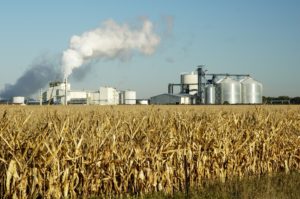
Biofuel isn't perfect, but it's a practical form of renewable energy that addresses energy security while reducing carbon emissions. The US has significantly expanded biofuel production over the past two decades, particularly in the Midwest, where corn-based ethanol facilities and soybean biodiesel plants operate alongside conventional agriculture. These facilities don't use raw agricultural materials directly—they refine them to create usable fuel products.
What Does a Biofuel Production Operator Do?
As a biofuel production operator, you're responsible for keeping the production line running smoothly and maintaining product quality. You'll manage computer systems that control the supply chain, operate heavy equipment, and monitor production processes. Quality control is a significant part of the job—you'll regularly collect samples and run tests to ensure the biofuel meets specifications. When something goes wrong, you'll diagnose the problem and make corrections.
The work varies depending on whether you're producing ethanol (from corn or other crops) or biodiesel (from vegetable oils or animal fats). Ethanol production involves fermentation and distillation, while biodiesel manufacturing uses chemical processes called transesterification. Both require careful monitoring of temperatures, pressures, and chemical reactions.
You'll spend time walking the facility, checking gauges and meters, adjusting process parameters, and documenting everything in computerized control systems. Safety is paramount when working with flammable materials, so you'll conduct regular inspections and follow strict protocols. If equipment needs maintenance, you'll coordinate with technicians while keeping production on track.
Day in the Life of a Biofuel Production Operator
Your shift typically starts with reviewing production logs from the previous team. You'll check overnight data for any anomalies—unusual temperature spikes, pressure drops, or quality test results that fell outside specifications. Then you'll walk the facility, visually inspecting equipment and checking for leaks, strange noises, or anything that looks off.
Throughout the day, you'll collect biofuel samples at various stages of production. Some tests you'll run yourself in the on-site lab (measuring specific gravity, moisture content, or pH levels). At the same time, other samples go to the quality assurance department for more detailed analysis. If test results show the product drifting out of spec, you'll adjust process parameters—maybe tweaking the temperature in a distillation column or modifying feed rates into a reactor.
You'll monitor digital control systems that display real-time data from hundreds of sensors throughout the facility. When alarms sound, you'll quickly assess whether it's a minor issue you can fix or one that requires immediate shutdown and maintenance intervention. Before your shift ends, you'll document everything in detailed logs and brief the incoming operator during shift handoff.
Where Does a Biofuel Production Operator Work?
Most biofuel production operators work in industrial manufacturing facilities, often in rural areas where feedstock materials are readily available. The Midwest dominates ethanol production, with major facilities in Iowa, Illinois, Nebraska, and South Dakota. Biodiesel plants are more geographically dispersed but still concentrate in agricultural regions.
The work environment is industrial—think factory floors with machinery noise, chemical odors, and variable temperatures. You'll wear personal protective equipment, including safety glasses, steel-toed boots, hard hats, and, sometimes, respirators or hearing protection. The job requires physical fitness: you'll climb stairs and ladders, walk several miles during a shift, and occasionally lift equipment or sample containers.
Most facilities operate 24/7, which means shift work including nights, weekends, and holidays. You might work a rotating schedule, such as four days on, three days off, or a traditional three-shift rotation. The work is team-based—you'll coordinate closely with other operators, maintenance technicians, quality assurance staff, and production supervisors.
While biofuel operators share skills with other industrial production roles, the focus on chemical engineering principles and environmental compliance makes this distinct from general manufacturing. You're producing a regulated fuel product, so documentation and quality standards are rigorous.
Biofuel Production Operator Salary & Compensation
According to the Bureau of Labor Statistics, environmental scientists and specialists (which includes biofuel production operators) earned a median annual salary of $80,060 as of May 2024. Here's how compensation breaks down:
- Entry-level (10th percentile): $50,130 annually
- Early career (25th percentile): $62,090 annually
- Median: $80,060 annually
- Experienced (75th percentile): $103,730 annually
- Senior level (90th percentile): $134,830 annually
Salary varies based on several factors. Chemical manufacturing facilities (which include many biofuel plants) tend to pay toward the higher end of the range. Your location matters too—facilities in remote areas sometimes offer higher base pay or bonuses to attract talent. Shift differentials add 10-15% for evening and night shifts. Operators with specialized certifications or those who advance to lead operator or shift supervisor roles can reach the upper end of the salary range.
Benefits typically include health insurance, an employer-matched retirement plan, paid time off, and sometimes profit sharing. Some employers offer tuition reimbursement if you pursue additional education related to your work.
Education Requirements & Degree Programs
A bachelor's degree is essential for biofuel production operator positions. Employers prefer graduates with backgrounds in chemical engineering, industrial engineering, or business administration with technical coursework. However, given the specialized nature of biofuel production, degrees in environmental chemistry, sustainability, or environmental engineering are increasingly valuable.
If you're still in high school, focus on building a strong foundation in applied sciences—particularly mathematics, physics, and chemistry. These subjects prepare you for college-level engineering and science courses.
Some experienced workers advance into operator roles through years of hands-on experience in chemical plants or related facilities. However, most employers now require formal education, and you'll likely need training courses to develop specialist knowledge in biofuel production processes, safety protocols, and environmental compliance.
Master's degrees aren't typically required for operator positions. Graduate education in chemical engineering, industrial engineering, or chemistry usually leads toward research, process engineering, or plant management roles rather than frontline production work. Similarly, PhDs typically pursue careers in academia or research labs, developing next-generation biofuel technologies.
Biofuel Production - Related Degrees
Skills & Qualifications
Beyond formal education, successful biofuel production operators develop a specific skill set. On the technical side, you'll need proficiency with process control systems, analytical lab equipment, and quality assurance protocols. Understanding OSHA safety procedures isn't optional—it's fundamental to the job. You'll also work with computer-aided design (CAD) software, facilities management systems, and industrial control software.
Soft skills matter just as much. You need strong problem-solving abilities because production issues rarely announce themselves clearly—you'll interpret data trends, identify the root cause, and implement solutions under time pressure. Attention to detail is critical when collecting samples, recording data, or following startup and shutdown procedures. Clear communication ensures smooth shift handoffs and effective coordination with maintenance teams.
Physical requirements include the ability to stand or walk for extended periods, climb stairs and ladders regularly, and work in environments with noise, temperature variations, and chemical odors. You'll lift sample containers and occasionally assist with equipment installation. The job also requires mental stamina for maintaining focus during long shifts, especially overnight.
Critical thinking ties everything together. You'll constantly interpret gauge readings, recognize when processes are trending out of specification, prioritize multiple maintenance needs, and make judgment calls about when to adjust parameters versus when to shut down for repairs.
Job Outlook & Career Growth
The Bureau of Labor Statistics projects 5% growth for environmental scientists and specialists (including biofuel production operators) between 2022 and 2032, which is about average compared to all occupations. This translates to approximately 4,000 job openings annually, accounting for both growth and the replacement of workers leaving the field.
The biofuel industry faces policy and market uncertainty. Job growth depends heavily on government renewable fuel standards, agricultural feedstock prices, and competition from electric vehicles and other alternative energy sources. Facilities expansion in regions with strong renewable energy mandates could increase employment, but the overall picture is more stable than explosive.
That said, existing facilities need skilled operators, and the push toward reducing carbon emissions isn't going away. As older workers retire, opportunities will open for new graduates with relevant technical backgrounds. The most job security comes from developing versatile skills that transfer to other chemical manufacturing or environmental technology sectors.
Career Advancement Opportunities
Entry-level biofuel production operators typically start by mastering basic production processes and safety protocols. After 2-3 years of experience, you might advance to lead or senior operator positions, taking on more responsibility for training new employees and handling complex troubleshooting. These roles often come with 10-15% salary increases.
With 5-7 years of experience, shift supervisor or production supervisor positions become realistic. At this level, you're managing people rather than just processes, overseeing entire shifts, conducting employee training, and ensuring compliance with safety and environmental regulations. Supervisory roles typically push compensation into the $90,000-$110,000 range.
Long-term career paths can lead to production manager or plant manager positions, where you'd oversee all manufacturing operations, manage budgets, coordinate with corporate leadership, and make strategic decisions about equipment upgrades and process improvements. These senior roles often require additional business or management education and can reach $130,000 or more annually.
Alternative career paths include specializing in quality assurance management, process engineering (developing and optimizing production methods), or environmental compliance. Some operators leverage their hands-on experience to transition into sustainability specialist roles, working on corporate environmental programs or renewable energy project development.
What to Expect: Industry Realities
Let's be honest about what this career actually involves. Shift work is unavoidable—biofuel facilities run continuously, so you'll work nights, weekends, and holidays on a rotating schedule. This impacts your social life and requires adjustment, especially for night shifts. Many facilities are in rural areas, which means longer commutes or the potential to relocate away from major cities.
The work environment isn't comfortable. You'll deal with industrial noise, chemical odors (some biofuel processes have distinct smells), and temperature extremes depending on the season and your location in the facility. Personal protective equipment is mandatory and can be uncomfortable during the summer months.
Job security is more volatile than in some environmental careers because it's tied to government policy. Changes in renewable fuel standards, subsidy programs, or energy policy can significantly impact the industry. The food-versus-fuel debate continues, and biofuel production faces ongoing scrutiny about land use, water consumption, and actual carbon footprint reductions.
However, the work is genuinely meaningful if you're passionate about sustainability in renewable energy production. You're producing fuel that reduces dependence on fossil fuels and can lower carbon emissions compared to petroleum. The problem-solving aspect keeps the job intellectually engaging, and the team environment fosters strong camaraderie among shift workers who rely on one another.
Frequently Asked Questions
Do I need a master's degree to become a biofuel production operator?
No, a bachelor's degree is sufficient for operator positions. Master's degrees are more common for research scientists, process engineers, or plant managers. Focus your bachelor's studies on chemical engineering, environmental science, or environmental chemistry for the best preparation.
How is a biofuel production operator different from a chemical engineer?
Chemical engineers typically design processes, develop new production methods, and optimize operations from an engineering perspective. Biofuel production operators implement those processes on the factory floor, running equipment, monitoring quality, and troubleshooting day-to-day issues. Engineers focus on the "why" and "how to improve," while operators focus on the "what" and "keeping it running." Many operators have engineering degrees but choose hands-on production work over engineering design roles.
Can biofuel production operators work remotely?
No, this is an on-site position requiring physical presence at the production facility. You need to monitor equipment, collect samples, make machinery adjustments, and respond to issues in real time. Remote work isn't possible for frontline production roles, though senior management positions might offer hybrid flexibility for administrative tasks.
What certifications are beneficial for biofuel production operators?
OSHA safety certifications are valuable, particularly OSHA 30-Hour General Industry training. Process Safety Management (PSM) certification demonstrates expertise in handling hazardous materials. Some operators pursue Lean Six Sigma certifications to improve manufacturing efficiency. State-specific environmental compliance certifications can also strengthen your qualifications, depending on where you work.
What are the physical demands of this job?
You'll walk 3-5 miles per shift, climb stairs and ladders regularly, and stand for long periods. The job requires lifting sample containers (occasionally up to 40 pounds) and working in varying temperatures. You'll wear safety gear, including hard hats, safety glasses, steel-toe boots, and sometimes earplugs. Good overall fitness and the ability to maintain focus during 8-12 hour shifts (including nights) are essential.
Key Takeaways
- Competitive Compensation: Biofuel production operators earn a median salary of $80,060, with experienced professionals reaching $103,730 or more at the 75th percentile, according to May 2024 BLS data.
- Bachelor's Degree Required: Entry into this field requires a bachelor's degree in chemical engineering, environmental chemistry, environmental science, or related technical fields, though some experienced manufacturing workers can transition with specialized training.
- Hands-On Manufacturing Role: This is not a desk job—you'll work in industrial facilities, manage production equipment, conduct quality control testing, and troubleshoot process issues in real-time on the factory floor.
- Shift Work Reality: Biofuel facilities operate 24/7, requiring rotating shifts including nights, weekends, and holidays, often in rural areas where feedstock is readily available.
- Stable Growth Outlook: The BLS projects 5% growth through 2032 with approximately 4,000 annual job openings, though government renewable energy policies and market conditions for alternative fuels influence career security.
Ready to start your journey in renewable energy? Explore environmental science and engineering degree programs that prepare you for careers in biofuel production and sustainable energy manufacturing.

Additional Resources
For those interested in biofuel production careers, several professional organizations provide networking opportunities and industry updates:
- Biomass Power Association: Dedicated to promoting biomass use across the United States, working with plants in 20 states to improve standards, efficiency, and policy advocacy.
- Algae Biomass Organization: Focuses on algae production as an alternative fuel source and connects professionals working on next-generation biofuel technologies.
- American Society for Quality: While not biofuel-specific, ASQ provides quality control resources and certifications that are valuable for production operators across manufacturing industries.
2024 US Bureau of Labor Statistics salary and job growth figures for Environmental Scientists and Specialists reflect state and national data, not school-specific information. Biofuel production operators may fall under various BLS occupational categories depending on facility size and specific role responsibilities. Conditions in your area may vary. Data accessed February 2026.