
A biochemist studies living organisms at the molecular level to understand biological processes, develop new medicines, and solve environmental challenges. The median salary for biochemists is $106,310 (2024), with job growth projected at 7% from 2022 to 2032. Most biochemists hold a PhD and work in pharmaceutical companies, research institutions, or government agencies like the EPA and FDA.
Biochemistry sits at the intersection of biology and chemistry, making it one of the most versatile scientific careers you can pursue. If you're drawn to understanding how life works at the molecular level—whether developing new drugs, studying environmental toxins, or engineering sustainable crops—biochemistry offers meaningful work with real-world impact.
Here's what you need to know about building a career as a biochemist.
Learn more about biochemistry degrees.
What Does a Biochemist Do?
Biochemists study cellular and molecular processes to expand our understanding of how living things work—or to solve specific problems. For example, you might investigate how a chemical like Bisphenol A (BPA), found in some plastics, affects the human body. Others work to discover how certain genes or environmental factors cause disease, and how to suppress or "turn off" the problematic mechanism.
In agriculture, biochemists research ways to genetically modify crops to be more resilient to drought or pests. Some focus on developing biofuels from algae and waste products. Regardless of your specialization, you'll likely perform many of the same core duties:
Here's what your day-to-day work might look like: You'll design and conduct experiments to isolate, quantify, and analyze hormones, enzymes, and toxins. You might test how pharmaceutical compounds affect cell growth, or analyze how microplastics break down in marine organisms. Much of your time goes into careful measurement, documentation, and data analysis.
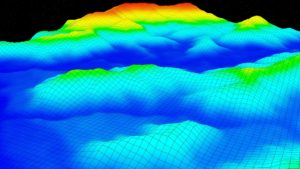
You'll also develop new analytical techniques to detect pollutants and their metabolites, or to study biological processes in novel ways. Computer modeling plays an increasingly important role—you might use software to determine the three-dimensional structure of molecules, or mathematical models to describe chemical relationships between environmental substances and biological systems.
Communication is essential too. You'll share research findings by writing reports, recommendations, and scientific articles, and by presenting at conferences. This field clearly plays an important role in public health—biochemists help determine the environmental causes of disease, information that can guide policymakers and help doctors treat conditions more effectively.
But biochemistry is vital to many aspects of sustainability as well. These scientists study the toxicological effects of industrial chemicals and pollutants on wildlife. Some discover new ways to use biological processes in plants and microbes to break down these pollutants. Others are working to solve food security challenges by developing inexpensive, high-yield, nutritious, and sustainable crops. Some biochemists are even trying to develop artificial photosynthesis—a process that mimics how plants derive energy from the sun—to create solar fuel.
Where Does a Biochemist Work?
Biochemists work across diverse industries and government agencies. You might analyze the effects of air, water, and soil pollution on people, wildlife, and crops for the U.S. Environmental Protection Agency or the Department of Agriculture. Or you could study the effects of drugs and food for the National Institutes of Health or the Food and Drug Administration.
Many biochemists work for pharmaceutical firms and companies that deal with food-related chemicals—animal feed, agricultural chemicals, and human food products—conducting research to understand disease and develop new products. Others work in manufacturing, energy development, or environmental restoration firms. Some work in hospital laboratories, while others serve as faculty, research staff, or teachers at colleges, universities, and secondary schools. A smaller number works for law firms, which handle scientific cases.
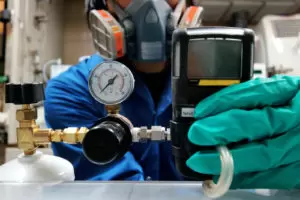
Most biochemists work indoors in laboratories and offices. Some, especially those working for environmental restoration firms, travel to outdoor work sites for field work. Both lab and field work can involve exposure to biological or chemical hazards, making it essential to follow established safety procedures.
Expect to work full-time hours, often extending beyond 40 hours per week. Lab experiments don't respect nine-to-five schedules—cultures need checking, reactions have specific timeframes, and research deadlines can mean late nights. That said, academic positions often offer more flexibility than strict industry schedules, and senior biochemists in consulting or regulatory roles may have more control over their time.
Employers, industries, and work environments vary significantly depending on the type of biochemistry you practice. Environmental chemists, for instance, spend more time on pollution analysis and field work, while those in pharmaceutical research work primarily in controlled laboratory settings.
Branches of Biochemistry
As you explore this field, you'll discover several specialization paths. Here are the main branches:
- Clinical Biochemistry - The practice of laboratory medicine in hospitals and clinics. You'd test lab samples for patients to diagnose disease, determine risk, and optimize treatment. Clinical biochemists also conduct medical research and improve laboratory equipment and practices.
- Analytical Biochemistry - Uses sophisticated equipment to analyze biological samples. You'd separate and test samples to determine the substances they contain and their quantities. For example, you might test a blood sample to determine the presence and quantity of steroids or toxins.
- Medical Biochemistry - Deals with biochemistry in its medical context. You'd study how disease is generated, how cells react to disease, what mutations lead to cancer, how drugs interact with cells, and how nerve signals are affected by chemicals.
- Nutritional Biochemistry - Studies how the body derives energy and nutrients from food, and how different diets promote health or contribute to disease. This growing field is crucial for understanding obesity, diabetes, and other metabolic conditions.
- Comparative Biochemistry - Compares how different species or classes of organisms perform similar functions, such as how they react to stress or regulate glucose levels. Such comparisons can help us better understand our own biochemistry and health.
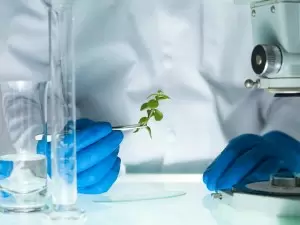
- Plant Biochemistry - Largely deals with photosynthesis—how plants metabolize carbon dioxide and sunlight to create sugars and release oxygen. It also studies how plants process pollutants from air, soil, and water. Some plants can filter out contaminants and break them down into harmless components, which plant biochemists study to help restore contaminated sites.
How Does Biochemistry Compare to Related Fields?
If you're exploring biochemistry, you're probably also considering related careers. Here's how biochemistry compares to two closely related fields:
| Career | Primary Focus | Median Salary | Typical Education | Best For |
|---|---|---|---|---|
| Biochemist | Chemical processes within living organisms; how molecules interact and transform | $106,310 | PhD (most positions) | Those interested in drug development, metabolism, environmental toxins, or biofuels |
| Molecular Biologist | Structure and function of biological molecules, particularly DNA, RNA, and proteins | $102,430 | PhD (research positions) | Those interested in genetics, gene therapy, genomics, or biotechnology research |
| Biotechnologist | Applying biological systems to develop products and technologies | $94,870 | Bachelor's or Master's (many positions) | Those interested in product development, industrial applications, or bioengineering |
The lines between these fields often blur, especially in interdisciplinary or applied research fields. Many scientists use multiple titles depending on their specific work, and the distinctions matter more in academic settings than in industry. Your actual focus depends more on your research specialization and employer than your degree title.
What Is the Average Biochemist Salary?
Biochemists earn a median annual salary of $106,310 according to the U.S. Bureau of Labor Statistics (2024 data). The top 10% of earners make more than $182,870 annually, while entry-level positions typically start between $45,000 and $60,000, depending on degree level and location.
Your salary depends on several factors:
- Education level: PhD holders earn significantly more than those with bachelor's degrees. Entry-level technician roles with a bachelor's degree might start at $40,000-$50,000, while senior research scientists with PhDs can exceed $150,000 in select private sector roles, though salaries vary considerably by employer and region.
- Industry: Pharmaceutical and biotechnology companies typically pay more than academic institutions. Government positions offer competitive salaries, excellent benefits, and job security.
- Location: Biochemists in major biotech hubs like Boston, San Francisco, San Diego, and the Research Triangle in North Carolina command higher salaries due to cost of living and concentration of employers.
- Experience: Senior biochemists with 10+ years of experience, particularly those leading research teams or managing laboratories, can earn $130,000-$180,000 or more.
- Sector: Private industry generally pays more than academia, though university positions offer tenure security and academic freedom.
Many biochemists also receive benefits beyond base salary, including research funding, conference travel budgets, continuing education support, and opportunities for consulting work that supplements their income.
What Is the Job Outlook for Biochemists?
The biochemistry field is projected to grow 7% from 2022 to 2032, faster than the average for all occupations. This growth translates to approximately 2,000 new positions over the decade, plus additional openings from retirements and career changes.
Several factors are driving demand for biochemists:
- Aging population: As populations age globally, there's an increased need for pharmaceutical research and drug development to treat age-related conditions like Alzheimer's, cancer, and heart disease.
- Environmental concerns: Growing focus on bioremediation, pollution analysis, and understanding how chemicals affect ecosystems is creating opportunities in environmental biochemistry.
- Food security challenges: Research into drought-resistant, high-yield, and nutritious crops is essential as climate change affects agriculture. Biochemists are at the forefront of developing solutions.
- Alternative energy development: The push for sustainable energy sources is driving research into biofuels, algae-based fuels, and artificial photosynthesis.
- Biotechnology expansion: Advances in genetic engineering, synthetic biology, CRISPR technology, and personalized medicine are creating new research areas and commercial applications.
- Pandemic research impact: COVID-19 highlighted the critical role of biochemists in vaccine development, diagnostics, and viral mechanism research, contributing to increased visibility and investment in related areas.
It's worth noting that much biochemistry research—particularly at colleges and universities—depends on federal funding from agencies like the National Institutes of Health and the National Science Foundation. Annual job availability can fluctuate based on government research budgets and political priorities. Industry positions are generally less affected by these funding cycles.
What Are a Biochemist's Daily Responsibilities?
Biochemistry jobs span two main areas across medicine, agriculture, energy, nanotechnology, and environmental management: basic research, conducted to expand human knowledge, and applied research, directed toward solving specific stated problems. You might also focus on teaching or business applications.
Regardless of your specialization, you'll need these core skills and perform these typical duties:
Laboratory and Research Skills:
- Efficiently use advanced technologies—electron microscopes, mass spectrometers, chromatography equipment, lasers, and computer modeling software
- Isolate, analyze, and synthesize proteins, enzymes, DNA, and other molecules using chemical and biological techniques
- Research the effects of drugs, hormones, food components, and environmental chemicals on biological structures and processes
- Develop and conduct quality control procedures for materials, chemical compounds, and final products
- Maintain detailed records of experiments, procedures, and results for reproducibility and regulatory compliance
Communication and Collaboration:
- Prepare technical reports, research papers, and recommendations based on your research findings
- Present research findings to fellow scientists, engineers, stakeholders, and funding agencies
- Assist in grant proposal writing and applications to secure research funding
- Collaborate with interdisciplinary teams, including chemists, biologists, microbiologists, agronomists, and geologists
Development and Innovation:
- Develop new chemical formulations and processes for specific applications
- Devise new technical applications of industrial chemicals and compounds
- Troubleshoot experimental problems and optimize procedures for efficiency
- Stay current with scientific literature and emerging techniques in your field
Senior-Level Responsibilities
As you advance in your career, you'll take on additional leadership and management duties:
- Supervise other chemists, technicians, and junior researchers
- Manage laboratory teams and monitor the quality of their work
- Oversee laboratory workspace organization and materials procurement
- Lead interdisciplinary research and development projects
- Act as a consultant in your field of expertise, both internally and for external clients
- Participate in the commercialization of new products, navigating the path from research to market
- Mentor graduate students and postdoctoral researchers
- Contribute to strategic planning and budget allocation for research programs
How Do I Become a Biochemist?
The path to becoming a biochemist involves significant education, but offers multiple entry points depending on your career goals.
Bachelor's Degree (4 years)
Most biochemists start with a B.S. in biochemistry, chemistry, or biology. Your coursework will typically include classes in biology, chemistry, physics, and computer science, along with required lab work. Biochemistry programs cover cell biology and signaling, genetics, molecular structure and function, enzymology, proteins and membranes, disease mechanisms, and metabolism. You'll also study mathematics for working with statistical data and calculating concentrations.
With a bachelor's degree, you can qualify for entry-level positions as laboratory technicians or research assistants. These roles provide hands-on experience and help you determine if you want to pursue advanced degrees.
Some universities offer one-year post-graduate training programs in laboratory techniques, which private companies highly value. Others let you work toward a bachelor's degree and a microbiology-related certificate simultaneously.
Master's Degree (Additional 2-3 years)
A master's degree opens mid-level opportunities in private industry. Graduate study involves extensive laboratory work and allows you to specialize in areas like molecular biology, bioinformatics, or environmental biochemistry. You'll earn an M.S. or M.A. in Biochemistry, Biochemistry and Molecular Biology, Biochemical Engineering, Biological Sciences, Biomedical Sciences, or related areas.
Master's-level biochemists often work in pharmaceutical development, quality control, or applied research roles that don't require the independent research component of a PhD.
Doctoral Degree (Additional 5-6 years)
A PhD is required for positions involving independent research and development, as well as university faculty positions. PhD programs include advanced coursework on biochemistry and significant independent research. You'll conduct original research, publish your findings, and defend a dissertation.
Most newly minted PhDs start in postdoctoral research positions, especially in academia and government-funded research, which typically last 2-4 years. These positions allow you to publish research—crucial for landing permanent positions—and develop your expertise further. Many biochemists complete multiple postdoctoral positions before securing permanent academic appointments or senior industry roles. In industry, PhDs may move directly into R&D positions without postdoctoral training.
Complete Timeline
Here's what the full pathway typically looks like:
- Entry-level technician: 4 years (bachelor's degree)
- Mid-level researcher: 6-7 years (bachelor's + master's)
- Independent researcher: 11-14 years (bachelor's + PhD + postdoc)
- Established career scientist: 15-20 years (including multiple postdocs and establishing your research program)
Timelines vary considerably between academia and industry. Industry positions may require less time investment than academic careers, and some biochemists with master's degrees have successful careers without pursuing PhDs. In private-sector R&D roles, biochemists may assume independent project leadership sooner than in academic settings.
Degrees Related to Biochemistry
Professional Organizations for Biochemists
Joining professional organizations can significantly advance your career by providing networking opportunities, professional development, and access to the latest research:
- The American Society for Biochemistry and Molecular Biology (ASBMB) advances the field by publishing multiple journals and organizing scientific meetings. It offers grant-writing and mentoring workshops for postdocs, provides career resources, and hosts career symposia on college campuses. The organization is particularly valuable for students and early-career researchers.
- The American Chemical Society (ACS) represents professionals at all degree levels and across all fields of chemistry and related sciences. It holds annual and regional meetings and posts presentations from past national meetings online. The organization offers technical divisions, local sections, student chapters, workshops, short courses, and symposia. It also provides access to the Green Chemistry Institute portal, which is particularly relevant for biochemists working on environmental applications.
Frequently Asked Questions
Do biochemists need a PhD?
Not for all positions. While a PhD is required for independent research and university faculty roles, you can work as a biochemist with a bachelor's degree in entry-level positions like laboratory technician or research assistant. A master's degree opens mid-level opportunities in private industry, particularly in pharmaceutical companies and biotechnology firms. However, most biochemists eventually pursue a PhD to advance their careers and lead research projects. If you're interested in developing new drugs, leading research teams, or becoming a principal investigator, you'll need a PhD.
What's the difference between a biochemist and a molecular biologist?
Biochemistry and molecular biology overlap significantly, and the distinction is often blurred in practice. Biochemists focus on chemical processes within living organisms—how molecules interact, transform, and drive biological functions. Molecular biologists study the structure and function of biological molecules, particularly DNA, RNA, and proteins, often with more emphasis on genetics and gene expression. In reality, many scientists use both titles interchangeably depending on their specific work, and your actual focus depends more on your research specialization than your degree title. Both fields use similar techniques and often collaborate closely.
Can biochemists work remotely?
Laboratory work requires on-site presence, so most biochemists spend significant time in physical labs. However, some aspects of biochemistry—data analysis, computer modeling, scientific writing, literature review, and grant proposal preparation—can be done remotely. Hybrid models are increasingly common, particularly in data-heavy roles or supervisory positions where senior biochemists balance lab oversight with computational and administrative work. Senior biochemists in consulting or regulatory roles may have more flexibility for remote schedules. During the COVID-19 pandemic, many biochemists adapted to working remotely on computational and writing tasks while scheduling essential lab work strategically. That said, if you're conducting hands-on experiments, culturing cells, or working with specialized equipment, you'll need regular lab access.
How long does it take to become a biochemist?
The timeline varies significantly by career level. A bachelor's degree takes 4 years and qualifies you for entry-level technician positions. Adding a PhD requires 5-6 more years of graduate study, plus 2-4 years of postdoctoral research before securing permanent research positions. In total, expect 11-14 years from starting college to establishing an independent research career in academia. Industry positions may offer faster advancement—some biochemists with master's degrees (6-7 years total) build successful careers in pharmaceutical or biotechnology companies without pursuing PhDs. The key question is your career goal: lab technician, applied researcher, or independent investigator?
What industries hire biochemists?
Biochemists work across remarkably diverse sectors. Pharmaceutical and biotechnology companies employ the largest number, followed by universities and research institutions. Government agencies—including the EPA, FDA, NIH, and USDA—hire biochemists for regulatory work, research, and public health roles. Chemical manufacturing, agricultural, food science, and environmental consulting firms also employ biochemists. Some work in forensic science, helping solve crimes through the analysis of biological evidence. Others transition into patent law, science policy, scientific publishing, or science journalism. The interdisciplinary nature of biochemistry creates opportunities in almost any sector involving biological systems or chemical processes.
Key Takeaways
- Versatile Career Path: Biochemistry offers diverse opportunities across medicine, environmental science, agriculture, and biotechnology. Your work can range from developing life-saving drugs to engineering sustainable crops or understanding how pollutants affect wildlife. The interdisciplinary nature means you're never locked into one narrow specialty.
- Strong Earning Potential: With a median salary of $106,310 and top earners exceeding $182,000, biochemistry provides solid financial rewards, especially in the pharmaceutical and biotechnology industries. Entry-level positions start around $45,000-$60,000 with a bachelor's degree, and salaries increase significantly with advanced degrees and experience.
- Significant Education Investment: While you can start with a bachelor's degree in technician roles, most biochemists earn PhDs to lead independent research. Expect 4-14 years of education, depending on your career goals, with postdoctoral positions often bridging graduate school and permanent employment. The investment pays off in career opportunities and earning potential.
- Growing Field with Stability: The field is projected to grow by 7% from 2022 to 2032, driven by aging populations, environmental challenges, advances in biotechnology, and the need for sustainable agriculture. However, academic positions depend on federal research funding, which can fluctuate, while industry positions offer more stability.
- Lab-Intensive, Collaborative Work: Most biochemists spend significant time in laboratories using sophisticated equipment. Expect full-time work (often 40+ hours per week) with some evening or weekend lab time as experiments require. Remote work is limited to computational and writing tasks, though hybrid models are increasingly common. Success requires both technical skills and strong communication skills to collaborate across disciplines and present findings.
Ready to explore biochemistry programs? Find accredited degree programs that align with your career goals, from bachelor's degrees to doctoral programs in biochemistry and related fields.

2024 US Bureau of Labor Statistics salary and job growth figures for biochemists and biophysicists reflect national data, not school-specific information. Conditions in your area may vary. Data accessed February 2026.