
A climatologist studies long-term weather patterns and climate systems to understand environmental changes and predict future trends. Climatologists fall under the Bureau of Labor Statistics category "atmospheric scientists, including meteorologists," which reports a median annual salary of $97,450. Entry-level positions require a bachelor's degree while research roles require a master's or PhD. The field projects modest 1% employment growth through 2034, with approximately 700 annual openings—primarily from workers retiring or changing careers rather than new job creation.
Considering a career studying Earth's climate systems? Climatologists play a crucial role in understanding long-term weather patterns, predicting future climate trends, and helping society adapt to changing environmental conditions.
As climate change accelerates and weather patterns become more unpredictable, the work climatologists do has never been more relevant—though it's important to understand both the opportunities and challenges in this specialized field.
What Is Climatology?
Climatology is more than just the study of weather. NASA defines climate as "the description of the long-term weather pattern of a particular area." There's even an old saying that sums this up: "Climate is what you expect, weather is what you get."
Climatology examines the myriad factors that influence weather and how weather affects the environment over time. These include water systems, atmospheric conditions, and geological features. Climatologists typically study these patterns over 30-year cycles or longer, looking for trends, anomalies, and long-term changes that can inform everything from agricultural planning to infrastructure development.
What Is a Climatologist?
A climatologist is a specialized type of atmospheric scientist who focuses specifically on long-term climate patterns rather than short-term weather forecasts. While meteorologists predict tomorrow's weather, climatologists analyze decades or centuries of data to understand how climate systems work and how they're changing.
The field sits at the intersection of several disciplines—atmospheric science, oceanography, geology, and increasingly, data science and computer modeling. It's intellectually demanding work that requires both strong quantitative skills and the ability to communicate complex findings to policymakers and the public.
Note on BLS Data: Climatologists are included in the Bureau of Labor Statistics occupational category "Atmospheric Scientists, Including Meteorologists" (SOC 19-2021). Throughout this article, salary and employment data reference this category, which encompasses meteorologists, climatologists, and other atmospheric science professionals.
What Does a Climatologist Do?
The job of a climatologist is varied and intellectually stimulating. Depending on the position, you'll wear many different hats throughout your career.
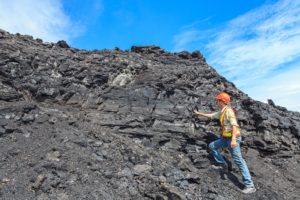
A climatologist might conduct hands-on research, such as taking water or soil samples, then analyze and report on the data. You may make presentations on your research at seminars or conferences, or provide analysis to employers, government officials, or other interested parties.
Research & Data Analysis
Much of a climatologist's work involves analyzing historical climate data to identify patterns and trends. For example, you might examine 50 years of precipitation records to understand drought cycles in the Southwest, then use this information to project future water availability for agricultural and urban planning.
This work typically involves:
- Analyzing data from meteorological stations, radar, satellite imagery, and computer models
- Using statistical methods to identify trends and anomalies in climate records
- Researching factors that influence climate change, from greenhouse gas concentrations to ocean currents
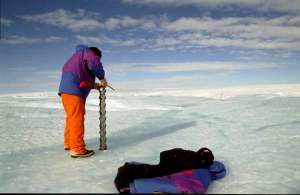
- Conducting field research to collect samples and direct measurements
Climate Modeling & Prediction
Climatologists develop and refine sophisticated computer models that simulate Earth's climate systems. You'll work with complex mathematical equations and large datasets to predict how the climate might change under different scenarios—essential work for understanding everything from sea level rise to shifting agricultural zones.
Communication & Consultation
Your expertise isn't valuable if it stays locked in academic journals. Climatologists regularly translate complex research findings for diverse audiences—explaining to city planners how changing rainfall patterns might affect stormwater infrastructure, or helping agricultural advisors understand how shifting growing seasons will impact crop selection.
This communication work includes writing reports, creating visualizations, and presenting findings to both scientific and non-technical audiences.
Environmental Problem-Solving
Climatologists work with industry, government, and communities to address climate-related challenges. You might help a coastal community plan for sea level rise, work with utilities to understand how extreme weather affects power grids, or advise agricultural operations on adapting to changing climate conditions.
This applied work makes climatology particularly rewarding for those who want their research to have a direct, practical impact.
Where Do Climatologists Work?
Climatologists work in diverse settings—from academic and research institutions to government agencies, private consulting firms, and nonprofit organizations.
The federal government employs about 31% of atmospheric scientists, primarily through the National Oceanic and Atmospheric Administration (NOAA) and NASA. Universities and research institutions employ another significant portion, particularly those focused on advancing climate science.
Work Environment
You'll have considerable flexibility in choosing your work environment. Options include working in climate-controlled offices analyzing data, conducting field research at weather stations or remote monitoring sites, working in laboratories testing climate-related hypotheses, or even occasionally traveling on research vessels or aircraft to collect atmospheric data.
Many climatologists enjoy a mix of all three—office work for data analysis and modeling, lab work for specific experiments, and periodic field work for data collection.
Climate researchers might work at weather stations located everywhere from airports to mountain peaks, in broadcast studios if you pursue media communication, or in government offices developing climate policy. The variety keeps the work interesting.
Work Schedules
Most climatology positions offer regular business hours, particularly in research and academic settings. However, the weather doesn't operate on a 9-to-5 schedule.
If you're working in operational forecasting or climate monitoring, you might work rotating shifts to maintain 24-hour coverage. During severe weather events or climate emergencies like extreme heatwaves or unprecedented storm systems, you may work extended hours.
Overall, though, climatology offers more predictable scheduling than operational meteorology.
Work Hazards
With proper safety precautions, the risk of injury is low for climatologists. Field work can involve some exposure to weather extremes or working with sensitive equipment in remote locations, but comprehensive safety protocols minimize these risks.
Climatologist Salary & Compensation
Atmospheric scientists, including climatologists, earn competitive salaries that reflect the specialized technical skills required. According to the Bureau of Labor Statistics' May 2024 data, the median annual salary is $97,450, well above the national median for all occupations.
Salary Range & Distribution
Salaries vary considerably based on experience, education level, employer type, and geographic location:
- Entry-level (10th percentile): $49,990 - Typically bachelor's degree holders in their first positions
- Early career (25th percentile): ~$71,000 - 2-5 years experience
- Median (50th percentile): $97,450 - Mid-career professionals
- Experienced (75th percentile): ~$130,000 - Senior climatologists, specialized roles
- Top earners (90th percentile): $160,710+ - Leadership positions, highly specialized expertise
- Mean annual wage: $103,980
Wages by Industry & Employer
Where you work significantly impacts earning potential. Federal government positions offer the highest compensation, paying a median wage of $120,640 annually. Scientific research and development services pay a median of $106,300.
If you're drawn to broadcast meteorology and climate communication, media positions average $75,760, while other professional services positions pay around $72,280 at the median.
Geographic Salary Variations
Location matters. Climatologists working in major metropolitan areas or regions with significant research institutions typically earn more than the national median, though cost of living also tends to be higher in these locations.
Federal positions offer standardized pay scales with locality adjustments, providing some of the most transparent compensation in the field.
Benefits Beyond Base Salary
Government and university positions often include strong benefits packages—comprehensive health insurance, retirement contributions, research funding for conferences and fieldwork, and opportunities for sabbaticals in academic settings. Private sector positions may offer higher base salaries but vary more in benefits offerings.
Job Outlook & Career Growth
Here's where it's important to set realistic expectations. While climate change has increased public interest in climatology, job growth projections are modest.
The Bureau of Labor Statistics projects just 1% employment growth from 2024 to 2034—slower than the 3% average for all occupations. This translates to approximately 100 new positions added nationally over the decade, growing from 9,400 positions in 2024 to 9,500 in 2034.
Understanding the Job Market
Despite slow growth, the field will see approximately 700 annual job openings. However, it's crucial to understand what this means: most of these openings come from replacement needs as climatologists retire or transition to other careers, rather than from new position creation.
This means competition for available positions can be strong, particularly for desirable locations and employers.
Why the slow growth despite increased climate awareness? A few factors contribute. Federal funding for climate research fluctuates with political priorities, and many atmospheric science positions depend on government funding. Additionally, improved forecasting technology and computer modeling allow more work to be done with existing staff levels.
Emerging Opportunities
That said, certain areas show promise. Private sector demand is growing as businesses increasingly recognize the need to understand and plan for climate-related risks—from supply chain disruptions due to extreme weather to long-term infrastructure planning.
Consulting opportunities exist for experienced climatologists who can translate complex climate data into actionable business intelligence.
Career Advancement Opportunities
Entry-level climatologists with bachelor's degrees typically start as junior analysts or research assistants. With experience and graduate education, you can advance to lead research projects, manage teams, or specialize in high-demand areas like climate modeling or climate policy analysis.
Senior positions might include research director roles, climate program management, or positions that combine research with policy advisory work. The path from entry-level to senior leadership typically takes 10-15 years and almost always requires graduate education.
Education Requirements for Climatologists
The educational pathway to becoming a climatologist is clear: you'll need at minimum a bachelor's degree in atmospheric science, meteorology, or a closely related field. For research and academic positions—where much of the interesting climate work happens—you'll need a master's degree or PhD.
Bachelor's Degree Requirements
Entry-level climatology positions require a bachelor's degree in atmospheric science, meteorology, or a related physical science like physics or environmental science. Your coursework should be heavy on quantitative subjects—expect substantial physics, mathematics (through calculus and differential equations), and computer programming alongside atmospheric science courses.
Strong undergraduate programs include coursework in atmospheric dynamics, climatology, atmospheric physics, statistical methods, remote sensing, and computer modeling. Laboratory work and research opportunities during your undergraduate years provide valuable experience.
Look for programs offering internships with NOAA, NASA, or research institutions—these connections can significantly impact your career trajectory.
Master's & PhD Programs
For research-focused climatology careers, graduate education is essential. Master's programs typically take two years and often include both coursework and a research thesis. You'll specialize in areas like climate modeling, paleoclimatology (studying ancient climates), or applied climatology (agricultural or urban applications).
PhD programs typically require 4-6 years beyond the bachelor's degree and involve original research that contributes new knowledge to the field. If you're passionate about pushing the boundaries of climate science or pursuing academic positions, a PhD is usually necessary.
Relevant Coursework & Specializations
Whether at the undergraduate or graduate level, strong preparation includes:
- Core atmospheric science: Climate systems, atmospheric dynamics, synoptic meteorology
- Quantitative skills: Statistics, calculus, differential equations, numerical methods
- Computing: Programming (Python, R, MATLAB), climate modeling, data visualization
- Earth systems: Oceanography, hydrology, glaciology
- Related sciences: Chemistry (atmospheric chemistry), biology (ecosystem responses)
The more comfortable you are with mathematics and programming, the better prepared you'll be. Modern climatology is increasingly computational.
Essential Skills & Qualifications
Technical knowledge gets you in the door, but succeeding as a climatologist requires a broader skill set that combines analytical abilities with communication and collaboration.
Technical Skills
You'll need proficiency with statistical analysis software and programming languages—Python and R are particularly valuable. Geographic Information Systems (GIS) software helps you visualize spatial climate data.
Familiarity with climate modeling systems and remote sensing technologies is important for many positions. The more technical tools you're comfortable with, the more valuable you'll be to employers.
Analytical & Research Skills
Climatology is fundamentally about pattern recognition and interpretation. You'll need to identify trends in massive datasets, distinguish signal from noise, and understand the physical processes creating the patterns you observe.
Strong critical thinking skills help you evaluate research methods, identify limitations in data or models, and design studies that address important questions.
Communication Skills
Perhaps surprisingly, communication might be your most important skill. Climate data means nothing if you can't explain it to decision-makers. You'll need to translate complex technical information for audiences with varying levels of scientific literacy—from fellow scientists to policymakers to the general public.
Clear writing for research papers, grant applications, and reports is essential. Presentation skills help you share findings at conferences and meetings.
Collaboration & Interdisciplinary Work
Climate research is rarely a solo endeavor. You'll work in teams that might include other atmospheric scientists, oceanographers, ecologists, economists, and social scientists.
Success requires the ability to collaborate across disciplines, appreciate different methodological approaches, and integrate diverse perspectives into a comprehensive understanding.
Related Degree Options for Climatologists
Specializations Within Climatology
Climatology encompasses several distinct specializations, each with its own focus and career opportunities:
- Paleoclimatology: Study ancient climates using ice cores, tree rings, sediment records, and other proxies to understand long-term climate variations and contextualize current changes
- Climate Modeling: Develop and refine computer simulations of Earth's climate system, requiring strong programming and mathematical skills
- Applied Climatology: Work with specific sectors like agriculture, urban planning, or water resources to apply climate knowledge to practical problems
- Synoptic Climatology: Study relationships between atmospheric circulation patterns and surface climate conditions
- Forensic Climatology: Reconstruct past weather conditions for legal cases, insurance claims, or accident investigations
Licensing, Certification & Professional Development
Unlike some professions, climatologists don't require specific licenses to practice. However, professional certification can demonstrate your commitment to the field and potentially qualify you for higher salaries and more advanced positions.
The American Meteorological Society offers certification programs that, while not required, show a level of professional commitment and competency. These certifications can be particularly valuable when entering the profession or transitioning to new roles.
Prior Training & Experience
While entry-level positions often don't require prior experience, any research experience you can gain—through undergraduate research projects, summer programs at national labs, or internships—provides a significant advantage.
Publications, even as a co-author, demonstrate research capability. Consider seeking internship opportunities with NOAA, NASA, university research groups, or private climate research organizations.
Professional Organizations & Networking
Connecting with professional organizations provides access to conferences, publications, networking opportunities, and continuing education. Key organizations include:
- American Association of State Climatologists: Since 1976, this organization has brought together state and regional climatologists and other interested parties to improve climate services throughout the country
- American Meteorological Society: With over 14,000 members, the AMS provides certification opportunities, conferences, and comprehensive information resources. This is probably the most important professional organization for aspiring climatologists
- American Institute of Physics: Advances and promotes the physical sciences, providing access to the latest research and professional development opportunities
Student memberships offer discounted rates and early networking opportunities. Attending conferences—even as a student—helps you understand current research directions and meet potential mentors or employers.
The Climate Change Context
It's impossible to discuss climatology careers without addressing climate change. This global challenge shapes the field in complex ways.
On one hand, increased awareness of climate change has elevated the importance of climatology and created new opportunities, particularly in climate adaptation planning and climate risk assessment for businesses and governments.
On the other hand, the 1% growth projection shows that awareness doesn't automatically translate to job creation. Much depends on public funding priorities, which can shift with political changes. Private sector opportunities are growing, but these often require experienced professionals rather than entry-level candidates.
Climatologists play an essential role in providing the data and analysis needed for climate adaptation and mitigation strategies. Your work might inform everything from coastal protection plans to agricultural adaptation strategies to international climate negotiations.
It's meaningful work—but it's important to enter the field with realistic expectations about job availability and career progression.
Frequently Asked Questions
What's the difference between a climatologist and a meteorologist?
While both study atmospheric science, the time scales differ significantly. Meteorologists focus on short-term weather forecasting—predicting conditions days or weeks in advance. Climatologists study long-term patterns over months, years, decades, or even centuries.
Think of it this way: a meteorologist tells you whether to bring an umbrella tomorrow; a climatologist tells you how rainfall patterns in your region are changing over time. Many climatologists have meteorology backgrounds, and the skills overlap considerably, but the research questions and methodologies differ.
Can I become a climatologist with just a bachelor's degree?
Yes, but your opportunities will be more limited. Entry-level positions like junior analyst or research assistant are accessible with a bachelor's degree in atmospheric science, meteorology, or a related field.
However, the most interesting research positions, academic careers, and leadership roles typically require a master's degree or a PhD. If you're passionate about climate research and want to lead projects rather than support them, plan on graduate school. Many people start with a bachelor's degree, gain some work experience, and then pursue graduate education. See our education requirements section for details.
Do climatologists work primarily in offices or in the field?
It varies by position and preference. Most climatologists spend significant time at computers analyzing data, running models, and writing reports. However, many positions include field work components—collecting samples, maintaining weather monitoring equipment, or conducting field surveys.
You can often find positions that match your preference, whether that's primarily office-based data analysis or a healthy mix of office and field work. Academic positions often offer the most flexibility in choosing your balance. Learn more in our work environment section.
What skills are most important for climatologists?
Strong quantitative skills top the list—mathematics, statistics, and computer programming are essential. You'll need to be comfortable working with large datasets and complex modeling systems.
But don't overlook communication skills. The ability to explain complex climate concepts to non-scientists is increasingly valuable as climatologists work more with policymakers, businesses, and the public. Critical thinking and problem-solving abilities matter too, as you'll often face novel research questions without clear methodological pathways. See our complete skills and qualifications section.
Is climatology a growing field due to climate change concerns?
While climate change has increased public awareness of climatology and created some new opportunities, employment growth is actually quite modest—just 1% projected through 2034, slower than average for all occupations. Federal funding constraints and technology improvements that increase productivity limit job growth.
That said, about 700 positions open annually, mostly from retirements, and private sector opportunities are expanding as businesses increasingly need climate expertise. It's a competitive but accessible field if you're well-prepared and realistic about the job market. Read our full job outlook analysis for details.
Additional Resources
- The Climate Institute: An organization committed to finding practical solutions to climate problems through research and education
- National Oceanic and Atmospheric Administration: NOAA provides weather forecasts, climate monitoring, and comprehensive climate services. Many climatologists find career opportunities here
Key Takeaways
- Competitive Compensation: Atmospheric scientists, including climatologists, earn a median annual salary of $97,450 (May 2024), with federal government positions offering the highest pay at $120,640 median. Top earners exceed $160,710 annually, though entry-level positions start around $49,990.
- Modest Job Growth: The field projects just 1% employment growth from 2024 to 2034 (slower than average), adding only 100 new positions nationally. However, 700 annual openings from retirements and career changes provide steady entry opportunities for well-qualified candidates.
- Graduate Education Often Required: While bachelor's degrees suffice for entry-level positions, research careers and advancement typically require master's degrees or PhDs. Strong quantitative preparation—mathematics, statistics, programming—is essential throughout your education.
- Diverse Work Settings: Climatologists work for federal agencies (31% of positions), universities, private research firms, consulting companies, and media organizations. Work environments range from offices and laboratories to field stations and broadcast studios, with flexibility to match your preferences.
- Meaningful Impact: Despite competitive job markets, climatology offers intellectually stimulating work with real-world applications—from informing climate adaptation strategies to advising agricultural planning to contributing to international climate policy. Your research can directly influence how society prepares for and responds to climate challenges.
Ready to pursue a career in atmospheric science? Explore degree programs in meteorology, atmospheric science, and environmental science that prepare you for this impactful career path.
2024 US Bureau of Labor Statistics salary and job growth figures for atmospheric scientists, including meteorologists, reflect national data, not school-specific information. Conditions in your area may vary. Data accessed January 2026.