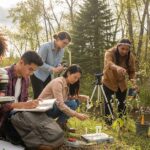


Minnesota offers comprehensive environmental science programs at institutions including the University of Minnesota, Bemidji State University, Minnesota State Mankato, and Carleton College. Environmental scientists in Minnesota earn an average of $74,000 annually, with water quality specialists earning up to $80,880. Programs range from bachelor's to doctoral levels with specializations in conservation, environmental policy, and water resource management.
Minnesota's environmental landscape is as diverse as it is beautiful, making it an ideal place to study environmental science. Whether you're drawn to the state's 10,000+ lakes, its vast northern forests, or its prairie ecosystems, you'll find strong academic programs that prepare you for meaningful careers in environmental stewardship. The state's combination of natural resources and established educational institutions creates unique opportunities for both learning and employment in the environmental sciences.
Career Outlook for Environmental Scientists in Minnesota
Minnesota's abundant natural resources create consistent demand for environmental scientists across multiple specializations. The state's strong commitment to environmental protection, combined with its diverse ecosystems, provides a solid foundation for career growth in this field.
Salary and Job Growth
Environmental scientists in Minnesota earn competitive salaries that reflect the state's high demand for environmental expertise. According to Bureau of Labor Statistics data, ecological scientists in Minnesota earn an average of $74,000 annually. Specialists in water quality and hydrology command even higher salaries, averaging $80,880 per year. This premium reflects the critical importance of water resource management in the Land of 10,000 Lakes.
Wildlife biologists, soil and plant scientists, and foresters in Minnesota typically earn salaries in the mid-$60,000 range. While these positions pay slightly less than specialized environmental science roles, they offer the advantage of working directly with Minnesota's unique ecosystems and wildlife populations.
Top Employers and Career Paths
Minnesota environmental science graduates find employment with a wide range of organizations. The state itself employs many environmental professionals through agencies like the Minnesota Pollution Control Agency and the Department of Natural Resources. These positions focus on policy implementation, ecological monitoring, and natural resource management.
Environmental and engineering consulting firms represent another primary employment sector. These companies contract with both public and private clients to assess ecological impacts, conduct remediation work, and ensure regulatory compliance. Cities and municipalities throughout Minnesota also hire environmental scientists to manage local water quality, waste management, and sustainability initiatives.
Minnesota's Unique Environmental Landscape
Minnesota offers a surprisingly broad range of ecological regions, from Prairie Parkland to Eastern Broadleaf Forest. This diversity sits atop a fascinating geological history that keeps both students and professionals engaged. Minnesota supports the largest mainland population of gray wolves in the U.S., outside of Alaska, along with robust populations of deer and game birds.
Despite widespread historical logging, old-growth forests remain, and rapid regrowth has kept Minnesota's trees healthy and thriving. This environmental resilience is partly due to strong management practices. Itasca State Park, established in 1891, still protects the vital headwaters of the Mississippi River today. This long history of environmental stewardship bolsters the credentials and reputation of Minnesota's environmental studies programs.
Choosing the Right Environmental Science Program in Minnesota
Minnesota offers environmental science programs at both public universities and private colleges, each with distinct advantages. Your choice depends on factors such as program size, specialization options, research opportunities, and preferred learning environment.
Factors to Consider
Program size significantly impacts your educational experience. Large public universities like the University of Minnesota offer extensive research facilities, numerous faculty specializations, and diverse course offerings. Smaller liberal arts colleges like Carleton provide more personalized attention, smaller class sizes, and closer faculty relationships.
Consider the program's specialization tracks as well. Some programs emphasize policy and management, while others focus on field research and scientific analysis. Look at faculty research interests to find programs aligned with your career goals. Access to field sites matters too. Programs near major lakes, forests, or prairie ecosystems offer more hands-on learning opportunities.
Online and Hybrid Options
While most environmental science programs require significant hands-on field work, some institutions offer hybrid formats that combine online coursework with intensive field sessions. These options work well for working professionals seeking to advance their credentials while maintaining employment.
Master's in Environmental Science in Minnesota
Graduate programs in environmental science provide advanced training for specialists and researchers. Minnesota offers several strong options, each with unique focuses and program structures.
Top Master's Programs
Bemidji State University's Center for Sustainability Studies sits on the shores of Lake Bemidji, offering an immersive lake country experience. The program balances generic environmental challenges with regional issues specific to Minnesota's ecosystems. Students explore the impacts of pollution and the protection of resources through cross-disciplinary studies that prepare them to address complex real-world problems.
For those preferring a larger institution, Minnesota State University at Mankato offers master's degrees in biology, biology education, and environmental science. The university prides itself on encouraging both innovative thinking and practical application, providing students with resources that support comprehensive research projects.
Bachelor's in Environmental Science in Minnesota
Undergraduate programs provide the foundation for careers in environmental science. Minnesota's options range from comprehensive public university programs to specialized liberal arts college offerings.
Public University Programs
The University of Minnesota's flagship program in Environmental Science, Policy, and Management offers specific tracks that let you tailor your education to your career goals. Choose from conservation and resource management, environmental science, environmental education, or policy, planning, law, and society tracks. This full-spectrum approach ensures you can pursue exactly the kind of environmental career you envision.
Private College Programs
Carleton College is consistently highly ranked among liberal arts colleges, and its environmental studies program benefits from extensive fieldwork. Students study local ecological issues at facilities such as the Carleton Arboretum while also venturing to remote locations, such as the Grand Canyon, for wilderness field studies. This combination of local depth and broad field experience creates well-rounded environmental professionals.
Minnesota Environmental Science Programs at a Glance
| Institution | Degree Levels | Format | Key Specializations | Notable Features |
|---|---|---|---|---|
| University of Minnesota | Bachelor's, Master's, PhD | On-campus | Conservation, Policy, Resource Management, Environmental Education | Multiple specialized tracks, a flagship research institution, and extensive facilities |
| Bemidji State University | Master's | On-campus | Sustainability Studies, Regional Environmental Issues | Lake Country location, focus on Minnesota ecosystems, cross-disciplinary approach |
| Minnesota State Mankato | Master's | On-campus | Biology, Biology Education, Environmental Science | Strong research resources, a balance of theory and practical application |
| Carleton College | Bachelor's | On-campus | Environmental Studies (Liberal Arts) | Highly ranked liberal arts college, Carleton Arboretum, wilderness field studies, and small class sizes |
Frequently Asked Questions
What are the best environmental science schools in Minnesota?
The University of Minnesota offers the most comprehensive environmental science program with multiple specialization tracks. Carleton College ranks among the nation's top liberal arts colleges and provides an intensive field experience in logical and ecological studies. Bemidji State and Minnesota State Mankato provide strong graduate programs with a regional focus on Minnesota's unique ecosystems.
How much do environmental scientists make in Minnesota?
Environmental scientists in Minnesota earn an average of $74,000 annually, according to Bureau of Labor Statistics data. Water quality and hydrology specialists earn higher salaries, averaging $80,880 per year. Wildlife biologists, soil scientists, and foresters typically earn in the mid-$60,000 range. Actual salaries vary based on specialization, experience level, and employer type.
What can I do with an environmental science degree in Minnesota?
Minnesota environmental science graduates work in state agencies such as the Pollution Control Agency and the Department of Natural Resources, environmental consulting firms, municipal governments, and nonprofit conservation organizations. Career paths include environmental monitoring, policy analysis, water quality management, wildlife conservation, and sustainability coordination. The state's diverse ecosystems support numerous specialization options.
Are there online environmental science programs in Minnesota?
Most environmental science programs in Minnesota require significant hands-on fieldwork and laboratory components, making fully online programs rare. Some institutions offer hybrid formats combining online coursework with intensive on-campus field sessions. These hybrid options work best for working professionals seeking advanced credentials while maintaining employment.
What are the admission requirements for Minnesota environmental science programs?
Undergraduate programs typically require strong backgrounds in biology, chemistry, and mathematics. Graduate programs usually need a bachelor's degree in environmental science or a related field, a competitive GPA (usually 3.0 or higher), GRE scores (for some programs), letters of recommendation, and a statement of purpose. Specific requirements vary by institution and program level.
Key Takeaways
- Competitive Salaries: Environmental scientists in Minnesota earn an average of $74,000 annually, with water quality specialists earning up to $80,880, reflecting the state's strong demand for environmental expertise.
- Diverse Program Options: Choose from flagship programs at the University of Minnesota with multiple specialization tracks to top-ranked liberal arts environmental studies at Carleton College.
- Water Quality Focus: Minnesota's 10,000+ lakes create high demand for water quality and hydrology specialists, making these among the highest-paid environmental science specializations in the state.
- Rich Field Research Opportunities: Minnesota's diverse ecosystems, ranging from prairie to old-growth forest, offer extensive hands-on learning at facilities such as Itasca State Park and the Carleton Arboretum.
- Strong Employment Prospects: Graduates find positions with state agencies, environmental consulting firms, municipalities, and conservation organizations throughout Minnesota's environmental sector.


Ready to launch your environmental science career in Minnesota? Explore accredited programs, compare specializations, and find the perfect fit for your environmental passion and career goals.

2024 US Bureau of Labor Statistics salary and job growth figures for Environmental Scientists and Specialists reflect state and national data, not school-specific information. Conditions in your area may vary. Data accessed January 2026.